Centering Lived Experience: Oklahoma Launches Lived Experience Competent Care Advisory Council

Centering Lived Experience: Oklahoma Launches Lived Experience Competent Care Advisory Council

Centering Lived Experience:

Oklahoma Launches Lived Experience Competent Care Advisory Council


The National Center, in partnership with our co-sponsor, the OU Center for Adoption and Family Well-Being, was proud to celebrate the successful launch events for the Oklahoma Lived Experience Competent Care Advisory Council. These gatherings marked a significant milestone in Oklahoma’s commitment to elevating lived experience as a driving force in bridging the gap between mental health services and child welfare, strengthening adoption competency, and advancing family well-being. 

This council is the first statewide body of its kind in Oklahoma to be fully led by Lived Experience Champions. Each council member brings direct experience connected to foster care—whether as a current youth or alumni of foster care, an adult adopted from foster care, a biological parent, a foster parent, an adoptive parent, or a kinship caregiver. This intentional structure ensures that the voices shaping policy, practice, and support systems are those who they most impact. 

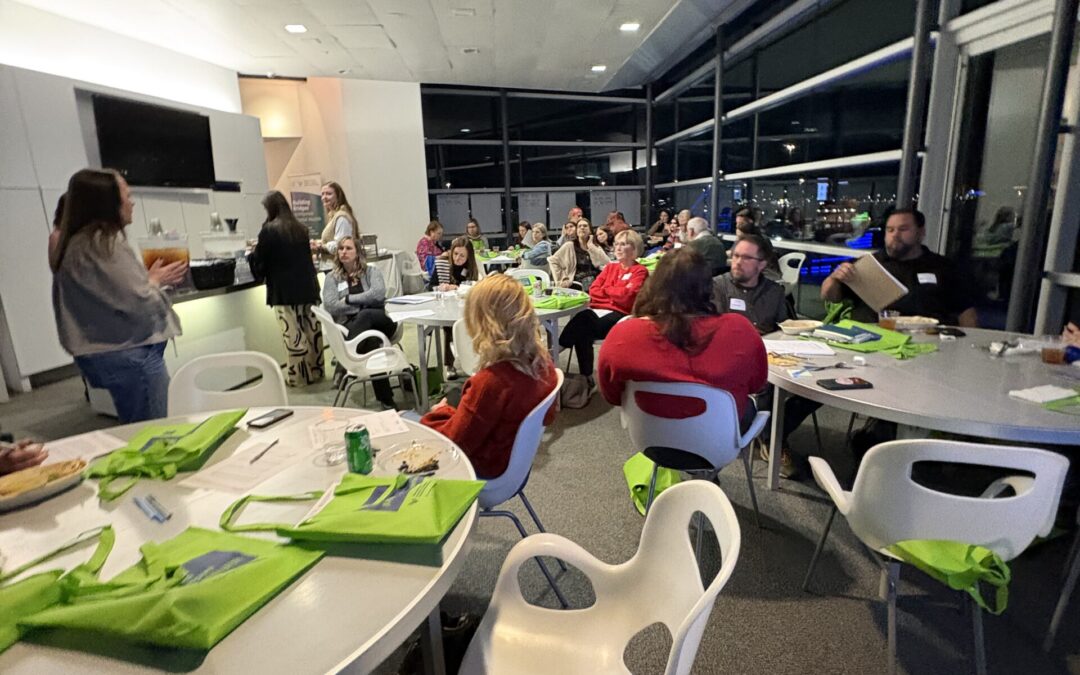
To kick off this work, we hosted two launch events—one in Oklahoma City and one in Tulsa—on January 12 and 13, 2026. Across both events, 33 individuals with lived experience participated, representing a powerful group of people directly impacted by the foster care system. Their presence, insights, and leadership set the tone for what this council is designed to be: a space where lived expertise is centered, respected, and used to drive meaningful change. 

The events were moderated by Bonni Goodwin, Ph.D., a mental health expert whose leadership created a welcoming, reflective, and energizing environment. The heart of both gatherings, however, came from our three Lived Experience Champions, who guided conversations, facilitated activities, and modeled what it means to lead with authenticity and courage. Their leadership helped participants explore how lived experience can inform policy, strengthen practice, and shape support systems across the state. 

Throughout the sessions, participants engaged in thoughtful dialogue, reflected on their own experiences, and explored both current initiatives and new ideas for Oklahoma. These conversations highlighted the strengths within Oklahoma communities and the opportunities ahead to build mental health and child-serving systems that truly listen to and respond to those they serve. 

The energy across both events was powerful. Participants expressed excitement, hope, and a shared belief that this council can become a catalyst for long-term, sustainable change. The turnout and engagement demonstrated how ready Oklahoma is to build a future where lived experience is not only included but centered. 

This launch was just the beginning. The council’s official formation was on March 31, 2026, when members began setting priorities, establishing a structure, and identifying key areas where lived experience can have the greatest impact. As the council grows, it will serve as a model for how states can meaningfully integrate lived expertise into their systems—not as an afterthought, but as a core component of adoption competent, compassionate, and effective care. 

We are deeply grateful to everyone who participated in the launch events and to all who continue to champion the importance of lived experience in Oklahoma and beyond. The work ahead is significant, but the passion and leadership demonstrated at these events give us confidence that the council will make a lasting difference for children, youth, families, and communities for years to come. 

Together, we are building a future where lived experience is recognized, respected, and centered in every conversation about adoption competent and trauma-informed care, support, and community wellbeing. The momentum is strong, and we are excited for what comes next. 


Stay Connected to Our Work in Action

Follow us for updates across states, tribes, and territories, plus conference highlights, training, resources, and insights on adoption competent mental health care


NTI Training: What I Learned Could Have Saved My Career in Counseling 

NTI Training: What I Learned Could Have Saved My Career in Counseling 

NTI Training: What I Learned Could Have Saved My Career in Counseling 

I knew from a very young age that I wanted to help people, and becoming a mental health counselor felt like the perfect way to do that. After graduating from college, I stepped eagerly into the field. I was wide-eyed, hopeful, and ready to make a difference. I believed my undergraduate and graduate coursework had prepared me for anything I might encounter. But very quickly, I lea ed that wasn’t true. 

Within my combined 180 credit hours of education, I spent roughly one hour lea ing about child welfare. Even then, that hour was focused on the history of the system, not how to effectively treat children, youth, and families touched by foster care, adoption, or kinship care. As a counselor who frequently worked with clients connected to the child welfare system, that single hour left me profoundly unprepared.  

Without that foundation, I often felt like I was guessing. I cared deeply about my clients, but I didn’t understand the complex layers of trauma, attachment disruptions, identity development, and relational loss inherent in their experiences. I didn’t know how these factors shaped their behaviors, their relationships, or their healing process. Over time, the weight of feeling ineffective, despite my best efforts, took a toll. 

After five years of wrestling with burnout, frustration, and self-doubt, I made a heartbreaking decision: I left the counseling field entirely. 

Discovering NTI 

I encountered the National Adoption Competency Mental Health Training Initiative (NTI) after joining the National Center. As I began working through the modules, I felt a mix of excitement and grief. The material was everything I had been missing as a counselor. It was comprehensive, practical, and deeply rooted in the lived realities of children and families with child welfare experience. I found myself thinking back to former clients. I visualized their faces, reflected on our sessions, and wondered how different things might have been if I’d had this training years earlier. For the first time, concepts that once felt confusing or out of reach became clear. 

As I moved through the training, one question kept echoing in my mind: “How much more effective could I have been if I’d known all of this?” And the honest answer is much more. 


What NTI Gives Professionals That Traditional Training Does Not 

NTI provides exactly what so many mental health providers never receive in school: adoption-competent, trauma-informed, child welfare-specific training. 

It covers topics such as: 

  •  Understanding trauma and attachment through a child-welfare lens 
  • Supporting identity formation and addressing grief, loss, and loyalty conflicts 
  • Strengthening caregiver capacity and therapeutic partnerships 
  • Navigating system dynamics with child welfare professionals 
  • Providing effective, culturally responsive, adoption-competent mental health care 

NTI training goes beyond just increasing knowledge; it can also build confidence, reduce bu out, and help providers show up for children and families in meaningful, practical ways. The National Center couples NTI training with coaching and lea ing communities to help professionals continue their growth and competency beyond the course.  

Every professional deserves access to training that prepares them for the realities of this work, and every child and family deserves a provider who understands their story, needs, and unique jou ey. 


Looking Back to Looking Forward 

If I had NTI earlier in my career, I might still be a counselor today. But I also know that my experience isn’t unique. Many professionals enter the field with passion and dedication, but lack the training needed to serve this population effectively. NTI fills that gap. It empowers the workforce and, most importantly, ensures children, youth, and families receive the adoption-competent mental health care they deserve. 

No counselor, social worker, or mental health provider should have to navigate this work feeling unprepared. NTI makes sure they don’t have to. 


Asia Huggins Content Specialist, National Center for Adoption Competent Mental Health Services


Adoption Competent Resources,
Right to Your Inbox

Join our email list and receive resources, learning opportunities, and up-to-date highlights of our work.

The Invisible Divide in Youth Mental Health Care 

The Invisible Divide in Youth Mental Health Care 

The Invisible Divide in Youth Mental Health Care: 2025 Trends and Their Impact on Children in Child Welfare 


“Statistics are important, but the stories behind them are what drive our mission. Every child’s behavior tells us something about their experience.” — National Center for Adoption Competent Mental Health Services

Across the nation, 2025 offers hopeful signs for youth mental health. Rates of major depressive episodes, substance use, and suicidal ideation among youth are decreasing for the first time in several years (Mental Health America, 2025). In the midst of these positive trends, however, some children, especially those experiencing the child welfare system, continue to face trauma, loss, and instability that increase their risk of mental health challenges. While the general youth population shows signs of recovery, those experiencing the child welfare system still have mental health needs that are higher than those of their peers. Although progress in youth mental health deserves recognition, equal attention must be given to young people whose experiences in the child welfare system have too often resulted in unmet mental health needs.  

The National Picture: Gains and Gaps 

According to recent national data, the percentage of youth experiencing a major depressive episode decreased from 18.1% in 2023 to 15.4% in 2024, and youth substance use dropped to its lowest level since 2017. Even more promising, suicidal ideation among young people fell from 12.3% to 10.1%, indicating that expanded crisis services and increased public awareness are beginning to have a positive impact (Mental Health America, 2025). 

There are still gaps in youth mental health care for young people. Over half of the youth with depression receive no treatment, often because of stigma, fear of involuntary commitment, or lack of access to qualified providers. Additionally, schools have reported that they cannot effectively address students’ mental health needs due to limited funding or staffing. Despite these obstacles, the overall outlook for youth mental health remains hopeful.  

The Invisible Divide 

Behind the promising national statistics are children whose early losses, transitions, and traumas shape their emotional worlds in unique ways. As youth mental health trends improve across the country, we must recognize that the healing and well-being of children experiencing the child welfare system relies on the competence and compassion of the adults and systems around them to provide the most effective mental health care and conditions for them to thrive. Data continues to show increasing need, and for system-involved children and youth, the stakes are particularly high. The gap between their mental health needs and the support they receive remains too great.   

However, the movement toward adoption competent, trauma-informed, relationship-centered systems presents a powerful opportunity to close the invisible divide, increase permanency, and continue to further the progress that has been made in youth mental health in recent years. Adoption competence extends beyond general clinical training by equipping mental health professionals with a deep understanding of how early adversity, complex trauma, and attachment disruptions influence emotional regulation, behavior, and relationships throughout development. When systems are adoption competent, services better reflect the lived experiences of children and families and respond not only to symptoms but also to the full context of a child’s history and needs. 

Signs of Hope 

Despite the apparent challenges in providing equitable access to youth mental health care, there are clear signs of hope:  

  • There is a growing awareness and use of adoption-competent and trauma-informed care. Specialized training programs, such as the National Center’s National Adoption Competency Mental Health Training Initiative (NTI) and the Training for Adoption Competency (TAC) Program, help clinicians, caregivers, and educators lea to respond with empathy and patience, understand the story behind the behavior, and respond appropriately.

  • Cross-system collaborations between schools, child welfare agencies, and behavioral health systems are increasingly recognizing that youth mental health requires intentional coordination, especially for children in the child welfare system.

  • There is more of a focus on relationships, connection, and stability regarding youth mental health. Increasing evidence suggests that validated interventions, such as stable placement, nurturing relationships, and consistent support, can positively shift a child’s life trajectory.

Conclusion 

Although there have been significant improvements in certain areas of youth mental health, gaps still exist that prevent every child from accessing the most effective mental health care, especially for children in the child welfare system. More work remains, and the focus is shifting from solely addressing behaviors to establishing strong foundations for youth to flourish. The growing evidence suggests that there is a shift in beliefs and practices in youth mental health services, and adoption competent mental health services will be a contributing factor to the continual progress of youth mental health.  

Reference 

Mental Health America. 2025. The State of Mental Health in America. Retrieved from: https://mhanational.org/wp-content/uploads/2025/09/State-of-Mental-Health-2025.pdf 

Looking for Additional Resources?

Visit the Knowledge Hub to access models of intervention, training resources, and practical tools to strengthen cross-system collaboration and improve outcomes for children, youth, and families. 

Reflecting on Two Years of Progress and Partnership  

Reflecting on Two Years of Progress and Partnership  

Reflecting on Two Years of Progress and Partnership  

Letter from the Director of the National Center for Adoption Competent Mental Health Services

As we mark two years since the founding of the National Center for Adoption Competent Mental Health Services, I am proud of the remarkable progress we have made toward our vision: ensuring every child and family who has experienced the child welfare system can truly thrive

Our mission is clear—strengthening the capacity of States, Tribes, and Territories to deliver adoption-competent, trauma-informed, and responsive mental health services. We believe that three essential pillars unlock better outcomes for families:

  • Workforce Development
  • Access to Adoption-Competent Care
  • Cross-System Collaboration

Through our work, we raise awareness about the importance of care that recognizes the impact of child welfare experience and helps families to heal.  Professionals must be equipped to understand and address the effects of early trauma, separation, and loss, meeting the complex needs of children and families with empathy and expertise.

Building a Network and Expanding Access

Creating a network of adoption competent professionals is critical, but our commitment goes further. We strive for a future where every child, youth, and family has access to adoption competent mental health care.  Access to mental health care remains a national challenge and for this population, the challenge is even greater.   We actively explore and implement creative strategies to dismantle a variety of access barriers.

Collaboration across systems amplifies our impact, supports sustainability, and ensures families get the support they need. We are honored to partner with dedicated professionals nationwide who embrace our mission and drive local action.

Achievements and Impact

In our first year, we focused on building a strong foundation.  We assembled a diverse team of experts, launched our website and Knowledge Hub, and developed outreach and engagement strategies to partner with in States, Tribes, and Territories to advance adoption competency in their systems.

Our second year brought measurable impact. Children and families received services from an ever-increasing adoption competent network of providers.  These newly trained professionals were equipped to effectively support the needs of children and families.  We shared 24 new content pieces, hosted monthly webinars, and expanded our newsletters and social campaigns to increase awareness. Our Knowledge Hub has become a trusted resource for guidance and tools.

Our Intensive Technical Assistance work has been transformative. We are now partnering with Oklahoma, Illinois, Rhode Island, South Dakota, Michigan and the Navajo Nation, each developing innovative models for advancing adoption competency that is tailored to their local context. We are excited as we begin to develop replicable strategies that can be applied to future STT engagements.

Looking Ahead

As we enter our third year, our goals remain clear:

  • Build and sustain cross-system collaboration
  • Enhance workforce adoption competence
  • Expand access to adoption-competent mental health services

Together with Federal partners, States, Tribes, Territories, and leaders with lived experience, we are creating a more compassionate and effective system of care.

Thank you for your partnership and commitment to this vital work. Adoption-competent care doesn’t just change lives today—it shapes the future for generations to come.


With gratitude,

Mary Wichansky

National Center Director, National Center for Adoption Competent Mental Health Services


Stay Connected to Our Work in Action

Follow us for updates across states, tribes, and territories, plus conference highlights, training, resources, and insights on adoption competent mental health care

Rhode Island Aims to Close the Gap on the Lack of Adoption-Competent Mental Health Care 

Rhode Island Aims to Close the Gap on the Lack of Adoption-Competent Mental Health Care 

New Data Show Families in Adoption and Foster Care Lack Adoption-Competent Mental Health Care:  Rhode Island Aims to Close the Gap


FOR IMMEDIATE RELEASE 

December 10, 2025 Joann Donnellan Joann@jdmediapr.com | 703-966-1990 


Washington, DC— Two national landmark reports released today by the Center for Adoption Support & Education (C.A.S.E.) reveal that adoptees, birth parents, adoptive parents, and kinship caregivers seek mental health services at nearly 3 times the rate of the general U.S. population. Yet only about a quarter of families say their clinicians are adoption competent. These findings highlight an urgent need for providers to be trained to understand the complexities of adoption and foster care, including issues related to attachment, identity, and loss. 

To help address this gap, Rhode Island is working with the National Center for Adoption-Competent Mental Health Services (National Center) to strengthen its mental health workforce and expand access to specialized adoption-competent care statewide. The National Center is an initiative of C.A.S.E. 

Rhode Island is one of five states proactively working with the National Center to close this gap. Through the partnership, the state is enhancing coordination across child welfare and behavioral health systems and expanding access to clinicians trained in adoption-competent care. Adoption Rhode Island, which recently became a licensed behavioral health organization, is helping to increase the state’s capacity to deliver adoption-competent mental health services to children, youth, and families. 

“These new national findings reinforce the urgent need for systems that truly understand the unique experiences of children, youth, and families navigating foster care, adoption, and kinship care,” said Mary Wichansky, Director of the National Center. “We’re proud to partner with Rhode Island as they build on their cross-agency collaboration and expand access to adoption-competent support.” 

“Children and families deserve access to mental health providers who understand the complexities of adoption and foster care,” said Darlene Allen, CEO and Executive Director of Adoption Rhode Island. “Our partnership with the National Center gives us a roadmap for building that capacity statewide. Together, with our other state partners, we’re laying the foundation to offer more coordinated, specialized services that meet children and families where they are. This work will ultimately support better outcomes and stronger family bonds.”  

This statewide effort includes collaboration among the Rhode Island Executive Office of Health and Human Services, Rhode Island Department of Children, Youth, and Families, Providence Public Schools, Rhode Island Department of Education, Family Service Rhode Island, The Providence Center, Parent Support Network of Rhode Island, Tides Family Services, Neighborhood Health Plan of Rhode Island, Rhode Island Department of Labor and Training, Optum, and Adoption Rhode Island. 

The initiative is supported through a grant from the U.S. Department of Health and Human Services’ Administration for Children & Families (Children’s Bureau).  

Read the reports: Perspectives on Mental Health Services from Birth and Adoptive Parents, Adoptees, and Other Members of Adoption Kinship Networks Training for Adoption Competency Effectiveness Study  

To request an interview with Darlene Allen or Mary Wichansky, please contact Joann Donnellan. 


About the National Center for Adoption-Competent Mental Health Services The National Center strengthens the bridge between child welfare and mental health systems by increasing access to clinicians trained in adoption-competent care. Through evidence-informed training, targeted technical assistance, and a national Knowledge Hub, the nonprofit equips states, Tribal Nations, and Territories to better support children, youth, and families involved with foster care, guardianship, and adoption. 


Adoption – Rhode Island Press Release