Strengthening Mental Health Through Connection, Collaboration, and Competency: Reflections from NAMICon 2026
Strengthening Mental Health Through Connection, Collaboration, and Competency:
Reflections from NAMICon 2026
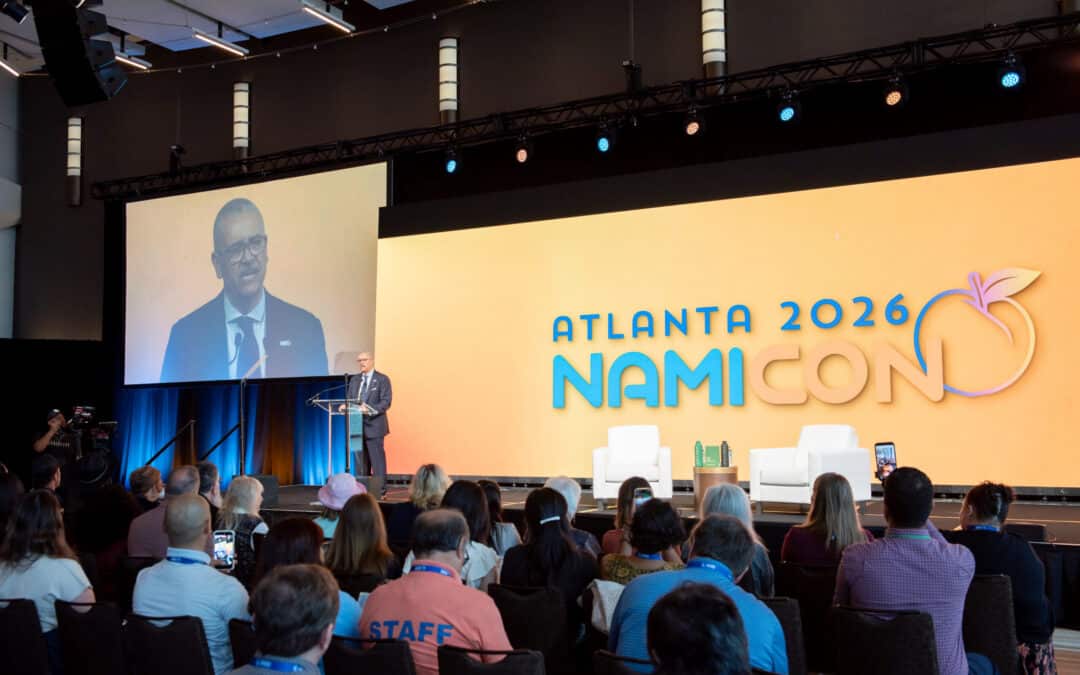
The National Center for Adoption Competent Mental Health Services joined thousands of mental health professionals, advocates, individuals with lived experience, family members, and community leaders at NAMICon 2026 in Atlanta, Georgia. As one of the nation’s largest gatherings focused on mental health awareness, education, and advocacy, NAMICon provides a valuable opportunity to engage in meaningful conversations about the future of mental health care and the importance of ensuring that children, youth, and families impacted by child welfare are not left out of those discussions.
Throughout the conference, one message was clear: mental health systems are evolving, but there remains a critical need for specialized knowledge, workforce development, and cross-system collaboration to meet the diverse needs of children and families impacted by child welfare, including adoption, foster care, and kinship care. For the National Center, NAMICon was an opportunity to elevate the importance of adoption and permanency-competent mental health services while connecting with professionals and organizations committed to improving outcomes across the behavioral health continuum.
Why Adoption Competence Matters in Mental Health Spaces
Children and families impacted by foster care, adoption, kinship care, guardianship, and other permanency experiences often navigate challenges that extend beyond traditional mental health concerns. Yet many mental health professionals receive little formal training on how these experiences affect assessment, diagnosis, treatment planning, and family engagement. As the National Center connected with attendees from across the country, many professionals shared that they frequently work with children and families who have experienced child welfare involvement but have had limited opportunities to receive specialized training in these areas.
These conversations reinforced the importance of building a workforce that understands the unique experiences of children and families impacted by child welfare and can provide services that are responsive, relationship-centered, and grounded in permanency.
Sharing Resources and Building New Partnerships
NAMICon brought together professionals from a wide range of sectors, including community mental health organizations, hospitals, advocacy groups, peer support organizations, educational institutions, state agencies, and private practice settings. Throughout the conference, the National Center connected with attendees from across the country who were eager to learn more about adoption competence, workforce development, and strategies to strengthen mental health services for vulnerable populations.
Many conversations focused on the growing need for practical tools and training that help professionals better understand the intersection of trauma, attachment, loss, and identity. Attendees also expressed interest in approaches that support collaboration between child welfare, behavioral health, education, and community-based organizations.
These discussions highlighted an encouraging trend: professionals increasingly recognize that improving mental health outcomes requires coordinated systems that work together to support children and families holistically.
Key Themes from NAMICon
Several themes emerged throughout the conference that closely align with the National Center’s work.
- The Importance of Lived Experience: Across sessions and conversations, there was a strong emphasis on ensuring that individuals with lived experience are actively involved in shaping services, policies, and systems. This commitment mirrors the National Center’s belief that meaningful change happens when the voices of those directly impacted help guide decision-making and service delivery.
- Workforce Development Remains a National Priority: Mental health workforce shortages continue to affect communities across the country. Professionals consistently highlighted the need for accessible, high-quality training opportunities that increase confidence, competency, and retention. Specialized training programs such as NTI and TAC can help address these needs while equipping professionals with skills that improve outcomes for children and families.
- Collaboration Drives Better Outcomes: Another recurring theme was the need to break down silos across systems. Mental health, child welfare, education, health care, and community organizations all play critical roles in supporting children and families. Strong partnerships across these systems enable earlier intervention, more coordinated care, and improved long-term outcomes.
Looking Ahead
The National Center left NAMICon energized by the conversations, connections, and shared commitment to strengthening mental health services nationwide. The conference reinforced the growing recognition that children, youth, and families impacted by child welfare require services that acknowledge their experiences, honor their relationships, and support their lifelong well-being.
As the National Center continues its work with States, Tribes, territories, providers, and community partners, we remain committed to expanding access to adoption and permanency-competent mental health services through training, technical assistance, workforce development, and systems change.
The conversations at NAMICon served as a powerful reminder that when professionals come together to share knowledge, learn from lived experience, and build partnerships, meaningful progress is possible. We look forward to continuing these conversations and working alongside partners nationwide to ensure that every child and family has access to the support they need to thrive.
Stay Connected to Our Work in Action
Follow us for updates across states, tribes, and territories, plus conference highlights, training, resources, and insights on adoption competent mental health care