
Families First: Understanding Kinship Care  

Families First: Understanding Kinship Care  

Families First: Understanding Kinship Care  


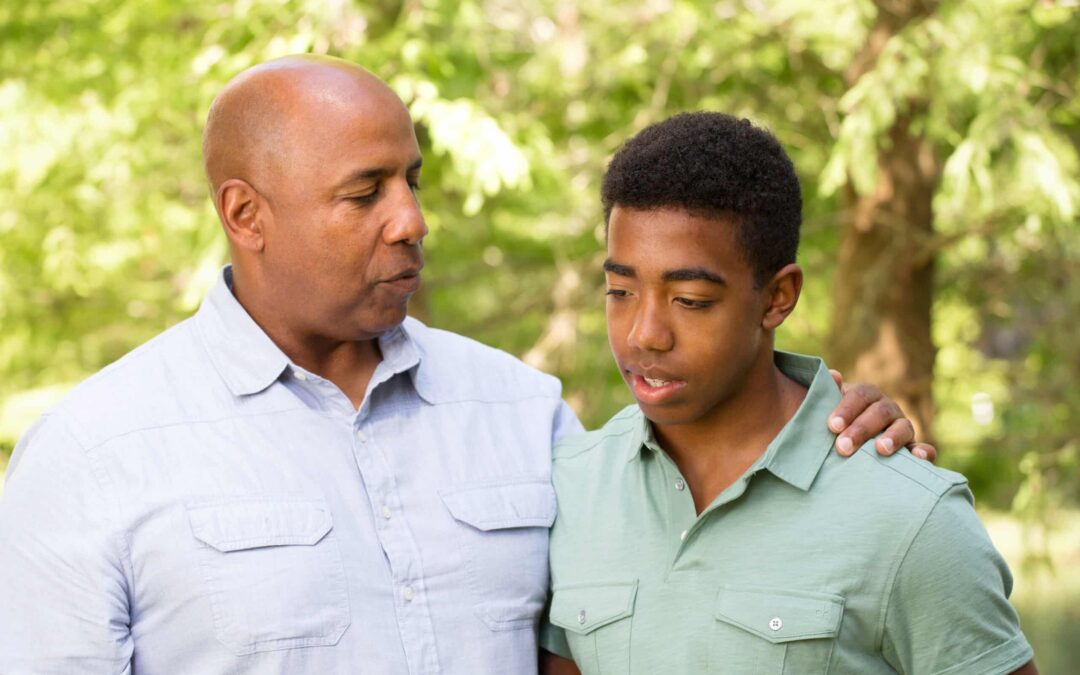
One night, while relaxing at home, Kayla received a surprise call from child welfare. Her sister had been deemed unable to safely care for her three children due to untreated mental health challenges, substance abuse, and housing instability. Faced with the possibility that her nieces, aged 4 and 11, and her nephew, aged 9, would enter foster care with strangers or be separated from each other, Kayla made a life-altering decision: she stepped in. Driven by love and responsibility, Kayla became a full-time caregiver.  

Like many kinship caregivers, Kayla was unprepared for the realities of navigating court hearings, school enrollment, trauma-related behaviors, or the emotional challenge of explaining to children why they could no longer live with their mother. Kayla had no prior experience with the child welfare system and no roadmap for managing such a profound transition.  

What she did have was a strong, shared bond with the children and knowledge of their family history, routines, and cultural identity. She knew, no matter what, they could overcome obstacles as a family.  


The Power of Kinship Care 

According to the U.S. Office of Personnel Management, kinship care is defined as the full-time care, nurturing, and protection of children by relatives or individuals with a significant familial or cultural bond. According to the Kids Count Data Center, approximately 2.5 million children and youth are in kinship care arrangements.  

Unlike non-relative foster care or adoption, kinship care allows a child to remain in a familiar environment, fostering a greater sense of identity and belonging, maintaining familial, cultural, and community connections, and increasing the likelihood that siblings will remain together. Kinship placements help minimize the trauma of being separated from their parents and preserve a sense of identity, all of which are beneficial mentally and emotionally. Research shows that children placed in kinship care experience greater placement stability and fewer behavioral challenges than those placed in non-relative foster care.  


Challenges in Kinship Care  

Although there is evidence that kinship care produces better behavioral outcomes for children and youth, many families do not receive the support and supervision that traditional foster and adoption families do. Kinship caregivers frequently fall through the cracks of traditional service systems. Common challenges include:  


        • Lack of training and preparation for guardianship 
        • Lack of knowledge of child welfare, education, and healthcare systems 
        • Lack of awareness of or access to support services 
        • Financial strain and limited access to resources 
        • Need for legal assistance
        • Caregiver stress, burnout, and secondary trauma 

 Caregivers like Kayla may not identify as foster or adoptive parents, but they shoulder the same responsibilities and emotional demands. 


Mental Health Needs in Kinship Care 

While children in kinship placements can experience better behavioral outcomes, they are not immune to the core issues that children and youth with child welfare experience, including complex trauma, ambiguous loss, grief, identity questions, and attachment disruptions. Whether a child is adopted by a relative, placed under guardianship, or raised informally by kin, they still have been separated from their biological family, which can create complex and layered mental health needs. In Kayla’s case, her nieces and nephew stayed with family. However, they still experienced profound loss due to separation from their parents, uncertainty about the future, and confusion about changing family roles.  


Adoption Competent Mental Health Care Matters in Kinship Care 

For child welfare professionals, supporting kinship families means understanding that placement stability alone does not guarantee healing. Adoption competent mental health services offer a vital framework for addressing the long-term emotional and relational needs of both children and caregivers involved in kinship care. 

When child welfare professionals intentionally connect kinship families to mental health services that can support permanency, they help ensure that families are not just keeping children safe but are also able to foster healing and growth. With over 20 years of experience providing adoption-competent care at C.A.S.E., we have seen firsthand how investing in adoption-competent, kinship-inclusive mental health care strengthens permanency, eases caregiver bu out, and supports lasting well-being for children and families. 


The National Center Supports Kinship Care 

The National Center for Adoption Competent Mental Health Services equips child welfare, mental health, and education professionals, as well as families, with the tools needed to recognize the unique intersections of trauma, loss, attachment, and family dynamics that arise in kinship placements. We also provide resources and support caregivers like Kayla by validating caregiver stress, strengthening caregiver-child relationships, and helping families navigate complex emotions without minimizing the child’s history or experiences. 


Looking for Additional Resources?

Visit the Knowledge Hub to access models of intervention, training resources, and practical tools to strengthen cross-system collaboration and improve outcomes for children, youth, and families. 
The Invisible Divide in Youth Mental Health Care 

The Invisible Divide in Youth Mental Health Care 

The Invisible Divide in Youth Mental Health Care: 2025 Trends and Their Impact on Children in Child Welfare 


“Statistics are important, but the stories behind them are what drive our mission. Every child’s behavior tells us something about their experience.” — National Center for Adoption Competent Mental Health Services

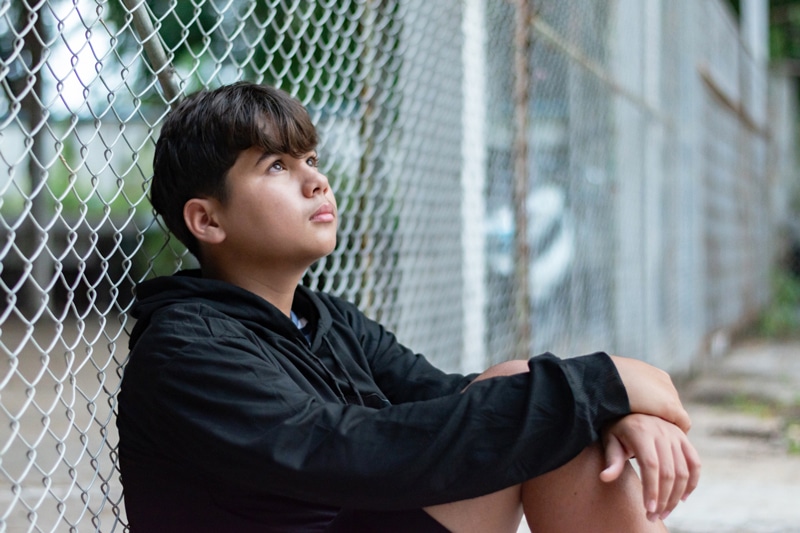
Across the nation, 2025 offers hopeful signs for youth mental health. Rates of major depressive episodes, substance use, and suicidal ideation among youth are decreasing for the first time in several years (Mental Health America, 2025). In the midst of these positive trends, however, some children, especially those experiencing the child welfare system, continue to face trauma, loss, and instability that increase their risk of mental health challenges. While the general youth population shows signs of recovery, those experiencing the child welfare system still have mental health needs that are higher than those of their peers. Although progress in youth mental health deserves recognition, equal attention must be given to young people whose experiences in the child welfare system have too often resulted in unmet mental health needs.  

The National Picture: Gains and Gaps 

According to recent national data, the percentage of youth experiencing a major depressive episode decreased from 18.1% in 2023 to 15.4% in 2024, and youth substance use dropped to its lowest level since 2017. Even more promising, suicidal ideation among young people fell from 12.3% to 10.1%, indicating that expanded crisis services and increased public awareness are beginning to have a positive impact (Mental Health America, 2025). 

There are still gaps in youth mental health care for young people. Over half of the youth with depression receive no treatment, often because of stigma, fear of involuntary commitment, or lack of access to qualified providers. Additionally, schools have reported that they cannot effectively address students’ mental health needs due to limited funding or staffing. Despite these obstacles, the overall outlook for youth mental health remains hopeful.  

The Invisible Divide 

Behind the promising national statistics are children whose early losses, transitions, and traumas shape their emotional worlds in unique ways. As youth mental health trends improve across the country, we must recognize that the healing and well-being of children experiencing the child welfare system relies on the competence and compassion of the adults and systems around them to provide the most effective mental health care and conditions for them to thrive. Data continues to show increasing need, and for system-involved children and youth, the stakes are particularly high. The gap between their mental health needs and the support they receive remains too great.   

However, the movement toward adoption competent, trauma-informed, relationship-centered systems presents a powerful opportunity to close the invisible divide, increase permanency, and continue to further the progress that has been made in youth mental health in recent years. Adoption competence extends beyond general clinical training by equipping mental health professionals with a deep understanding of how early adversity, complex trauma, and attachment disruptions influence emotional regulation, behavior, and relationships throughout development. When systems are adoption competent, services better reflect the lived experiences of children and families and respond not only to symptoms but also to the full context of a child’s history and needs. 

Signs of Hope 

Despite the apparent challenges in providing equitable access to youth mental health care, there are clear signs of hope:  

  • There is a growing awareness and use of adoption-competent and trauma-informed care. Specialized training programs, such as the National Center’s National Adoption Competency Mental Health Training Initiative (NTI) and the Training for Adoption Competency (TAC) Program, help clinicians, caregivers, and educators lea to respond with empathy and patience, understand the story behind the behavior, and respond appropriately.

  • Cross-system collaborations between schools, child welfare agencies, and behavioral health systems are increasingly recognizing that youth mental health requires intentional coordination, especially for children in the child welfare system.

  • There is more of a focus on relationships, connection, and stability regarding youth mental health. Increasing evidence suggests that validated interventions, such as stable placement, nurturing relationships, and consistent support, can positively shift a child’s life trajectory.

Conclusion 

Although there have been significant improvements in certain areas of youth mental health, gaps still exist that prevent every child from accessing the most effective mental health care, especially for children in the child welfare system. More work remains, and the focus is shifting from solely addressing behaviors to establishing strong foundations for youth to flourish. The growing evidence suggests that there is a shift in beliefs and practices in youth mental health services, and adoption competent mental health services will be a contributing factor to the continual progress of youth mental health.  

Reference 

Mental Health America. 2025. The State of Mental Health in America. Retrieved from: https://mhanational.org/wp-content/uploads/2025/09/State-of-Mental-Health-2025.pdf 

Looking for Additional Resources?

Visit the Knowledge Hub to access models of intervention, training resources, and practical tools to strengthen cross-system collaboration and improve outcomes for children, youth, and families. 
Reflecting on Two Years of Progress and Partnership  

Reflecting on Two Years of Progress and Partnership  

Reflecting on Two Years of Progress and Partnership  

Letter from the Director of the National Center for Adoption Competent Mental Health Services

As we mark two years since the founding of the National Center for Adoption Competent Mental Health Services, I am proud of the remarkable progress we have made toward our vision: ensuring every child and family who has experienced the child welfare system can truly thrive

Our mission is clear—strengthening the capacity of States, Tribes, and Territories to deliver adoption-competent, trauma-informed, and responsive mental health services. We believe that three essential pillars unlock better outcomes for families:

  • Workforce Development
  • Access to Adoption-Competent Care
  • Cross-System Collaboration

Through our work, we raise awareness about the importance of care that recognizes the impact of child welfare experience and helps families to heal.  Professionals must be equipped to understand and address the effects of early trauma, separation, and loss, meeting the complex needs of children and families with empathy and expertise.

Building a Network and Expanding Access

Creating a network of adoption competent professionals is critical, but our commitment goes further. We strive for a future where every child, youth, and family has access to adoption competent mental health care.  Access to mental health care remains a national challenge and for this population, the challenge is even greater.   We actively explore and implement creative strategies to dismantle a variety of access barriers.

Collaboration across systems amplifies our impact, supports sustainability, and ensures families get the support they need. We are honored to partner with dedicated professionals nationwide who embrace our mission and drive local action.

Achievements and Impact

In our first year, we focused on building a strong foundation.  We assembled a diverse team of experts, launched our website and Knowledge Hub, and developed outreach and engagement strategies to partner with in States, Tribes, and Territories to advance adoption competency in their systems.

Our second year brought measurable impact. Children and families received services from an ever-increasing adoption competent network of providers.  These newly trained professionals were equipped to effectively support the needs of children and families.  We shared 24 new content pieces, hosted monthly webinars, and expanded our newsletters and social campaigns to increase awareness. Our Knowledge Hub has become a trusted resource for guidance and tools.

Our Intensive Technical Assistance work has been transformative. We are now partnering with Oklahoma, Illinois, Rhode Island, South Dakota, Michigan and the Navajo Nation, each developing innovative models for advancing adoption competency that is tailored to their local context. We are excited as we begin to develop replicable strategies that can be applied to future STT engagements.

Looking Ahead

As we enter our third year, our goals remain clear:

  • Build and sustain cross-system collaboration
  • Enhance workforce adoption competence
  • Expand access to adoption-competent mental health services

Together with Federal partners, States, Tribes, Territories, and leaders with lived experience, we are creating a more compassionate and effective system of care.

Thank you for your partnership and commitment to this vital work. Adoption-competent care doesn’t just change lives today—it shapes the future for generations to come.


With gratitude,

Mary Wichansky

National Center Director, National Center for Adoption Competent Mental Health Services


Stay Connected to Our Work in Action

Follow us for updates across states, tribes, and territories, plus conference highlights, training, resources, and insights on adoption competent mental health care

Rhode Island Aims to Close the Gap on the Lack of Adoption-Competent Mental Health Care 

Rhode Island Aims to Close the Gap on the Lack of Adoption-Competent Mental Health Care 

New Data Show Families in Adoption and Foster Care Lack Adoption-Competent Mental Health Care:  Rhode Island Aims to Close the Gap


FOR IMMEDIATE RELEASE 

December 10, 2025 Joann Donnellan Joann@jdmediapr.com | 703-966-1990 


Washington, DC— Two national landmark reports released today by the Center for Adoption Support & Education (C.A.S.E.) reveal that adoptees, birth parents, adoptive parents, and kinship caregivers seek mental health services at nearly 3 times the rate of the general U.S. population. Yet only about a quarter of families say their clinicians are adoption competent. These findings highlight an urgent need for providers to be trained to understand the complexities of adoption and foster care, including issues related to attachment, identity, and loss. 

To help address this gap, Rhode Island is working with the National Center for Adoption-Competent Mental Health Services (National Center) to strengthen its mental health workforce and expand access to specialized adoption-competent care statewide. The National Center is an initiative of C.A.S.E. 

Rhode Island is one of five states proactively working with the National Center to close this gap. Through the partnership, the state is enhancing coordination across child welfare and behavioral health systems and expanding access to clinicians trained in adoption-competent care. Adoption Rhode Island, which recently became a licensed behavioral health organization, is helping to increase the state’s capacity to deliver adoption-competent mental health services to children, youth, and families. 

“These new national findings reinforce the urgent need for systems that truly understand the unique experiences of children, youth, and families navigating foster care, adoption, and kinship care,” said Mary Wichansky, Director of the National Center. “We’re proud to partner with Rhode Island as they build on their cross-agency collaboration and expand access to adoption-competent support.” 

“Children and families deserve access to mental health providers who understand the complexities of adoption and foster care,” said Darlene Allen, CEO and Executive Director of Adoption Rhode Island. “Our partnership with the National Center gives us a roadmap for building that capacity statewide. Together, with our other state partners, we’re laying the foundation to offer more coordinated, specialized services that meet children and families where they are. This work will ultimately support better outcomes and stronger family bonds.”  

This statewide effort includes collaboration among the Rhode Island Executive Office of Health and Human Services, Rhode Island Department of Children, Youth, and Families, Providence Public Schools, Rhode Island Department of Education, Family Service Rhode Island, The Providence Center, Parent Support Network of Rhode Island, Tides Family Services, Neighborhood Health Plan of Rhode Island, Rhode Island Department of Labor and Training, Optum, and Adoption Rhode Island. 

The initiative is supported through a grant from the U.S. Department of Health and Human Services’ Administration for Children & Families (Children’s Bureau).  

Read the reports: Perspectives on Mental Health Services from Birth and Adoptive Parents, Adoptees, and Other Members of Adoption Kinship Networks Training for Adoption Competency Effectiveness Study  

To request an interview with Darlene Allen or Mary Wichansky, please contact Joann Donnellan. 


About the National Center for Adoption-Competent Mental Health Services The National Center strengthens the bridge between child welfare and mental health systems by increasing access to clinicians trained in adoption-competent care. Through evidence-informed training, targeted technical assistance, and a national Knowledge Hub, the nonprofit equips states, Tribal Nations, and Territories to better support children, youth, and families involved with foster care, guardianship, and adoption. 


Adoption – Rhode Island Press Release

Webinar Reflection: Fatherhood Reimagined: Parenting Through Change, Challenge, and Healing

Webinar Reflection: Fatherhood Reimagined: Parenting Through Change, Challenge, and Healing


Webinar Reflection: Fatherhood Reimagined: Parenting Through Change, Challenge, and Healing

By Edward A. Casillas


I recently viewed Mental Health America’s webinar, Fatherhood Reimagined: Parenting Through Change, Challenge, and Healing, a panel discussion featuring three fathers.

As a father and fatherhood consultant, I was struck by how the discussion shed light on the often-overlooked mental health challenges fathers face. In my experience, I’ve witnessed firsthand how a father’s mental health and emotional well-being profoundly impact his relationship with his children — influencing not just how he shows up, but how his children inte alize love, stability, and self-worth.

Fathers are frequently expected to navigate family challenges without adequate tools to manage their own inte al struggles. As Bradley Vinson aptly puts it, “Expectations without instructions” encapsulates the experience of many men. Society places significant demands on fathers — to provide, protect, nurture, and lead — yet often fails to provide guidance or spaces for them to process their pain and find healing.

I also appreciated Luis Resendez’s insight that fathers and their families have “different needs at different times.” Fathers may need education, affirmation, and encouragement as they navigate new parenthood, while later requiring deeper therapeutic support to address depression, grief, or feelings of inadequacy. These evolving needs often go unnoticed because fathers tend to conceal their struggles. Unaddressed mental health challenges can diminish a father’s confidence, strain his relationships, and inadvertently teach unhealthy coping mechanisms to his children.

Conversely, I’ve seen profound transformations when fathers are empowered with the resources and permission to prioritize their mental health — benefiting not only themselves but also enriching their relationships and renewing their sense of purpose.

Patrick Skildum said, “A father’s vulnerability is not his weakness; it is his greatest gift to his children.” Encouraging fathers to acknowledge and care for their mental health — embracing their humanity — not only strengthens them but also teaches their children that it’s acceptable to feel, to face challenges, and to seek healing.

We have a responsibility to advocate for tailored mental health supports for fathers, reminding them — and those around them — that they are not alone. Equipping fathers with compassion and practical tools to thrive is crucial; a father’s healing becomes his children’s foundation, and investing in his mental health is one of the most impactful ways to strengthen families and communities.


Healing in a Social Context: Why Connection Matters

Healing in a Social Context: Why Connection Matters


Healing in a Social Context: Why Connection Matters

 Healing is often perceived as a personal journey, something we undertake alone, within ourselves. While this perspective holds some truth, healing is profoundly influenced by those around us. As social beings, humans rely on others from birth for survival, comfort, and growth. Healthy, supportive relationships provide safety, love, and understanding — crucial elements for healing. In this blog post, I’ll share insights from my perspective as a therapist, emphasizing that this knowledge is relevant to everyone. We all contribute to the healing environment. 

Children involved in child welfare often experience developmental trauma, shaped by separation and loss. Adoption-competent mental health services prioritize attachment and facilitate healing within the family context. These services address emotional, relational, and psychological challenges unique to child welfare involvement, rooted in attachment, trauma, identity, and grief.  As a clinical social worker, I view the world through a ‘person-in-environment’ lens, recognizing social environments as integral. People influence our identities at various life stages, and adults — whether personally or professionally involved with children, like myself as a therapist — play a vital role in a child’s healing journey after adversity. In social work, we affirm that it takes a village to raise a child and to care for that village. We rely on each other not just to survive but to thrive. 

The idea for the blog title, “Healing in a Social Context,” was inspired by a talk I attended at the American Psychological Association Conference a few years ago, delivered by Bruce Wampold. His presentation, “Healing in a Social Context: The Importance of Clinician/Patient Relationship,” delved into what are often referred to as the “common factors” of therapy. These factors include elements like empathy and the quality of the therapist-client relationship. When you take a broader view, these elements are deeply embedded in the social fabric of our lives. I encourage you to watch his talk [here], where he shares vivid examples of social-contextual healing. I’ll share one of those examples below. 

Bruce described a phenomenon in honeybees called “social fever.” When an infection arises in the colony, the bees work together by fanning their wings to raise the hive’s temperature, effectively eliminating heat-sensitive pathogens. By acting collectively to help the sick members of the hive, they also protect the entire colony from the spread of infection.  A more familiar example of social healing in the human world is the placebo effect. This occurs when your brain is convinced that a “fake” treatment, like a sugar pill, is real. What’s fascinating is that healing is often triggered by the warmth and empathy conveyed by the person administering the sugar pill, not the pill itself. (That said, don’t go handing out sugar pills to promote healing!) 

So, what does this mean for mental health? One important takeaway is that while we have evidence-based mental health interventions that can significantly help children and their families, the success of these interventions depends on the people delivering them. Positive relationships amplify the effectiveness of these treatments. Relationships “bring the medicine,” help the medicine work better, and, in some cases, are the medicine.  As professional helpers, we become part of a person’s social context. We represent broader social systems and can offer a sense of belonging to those we support. Adoption-competent professionals, for example, understand that healing from early attachment disruptions happens through trust and consistency. Mental health and child welfare professionals have a unique role in fostering healing social environments that support long-term growth and recovery.   

Here Are a Few Ways to Help: 

  • Build Trust: Create safe spaces where clients feel heard and respected. Trust is the foundation of any healing relationship, and it grows when we consistently show up and follow through. 
  • Encourage Connection: Support clients in building or rebuilding healthy relationships. This might involve connecting children with mentors or helping adults strengthen family ties. Remember, clients live in the world—not just within the walls of our therapy offices. 
  • Model Healthy Interpersonal Relationships: Demonstrate what respectful, supportive communication looks like. This is especially impactful for individuals who have experienced unhealthy or harmful relationships. Strong relationships aren’t all rainbows; they’re about trusting each other, engaging in courageous conversations, and repairing when disagreements arise. 
  • Promote Secure Attachment Between Children and Their Parents: Address attachment disruptions through approaches such as Emotionally Focused Therapy, Theraplay, and Dyadic Developmental Psychotherapy. 
  • Help Parents Develop Co-Regulation Strategies: Equip parents with tools to enhance their child’s sense of safety. This could include validating the child’s feelings, providing opportunities for control, practicing calming strategies, and incorporating sensory breaks into daily routines.


If you’re reading this and don’t see yourself as a “professional helper,” know that you are a helper. You can play a meaningful role in someone’s healing journey. Be present. Listen without judgment. Show up. Fan your wings. And then show up again and again. Be part of the environment that fosters healing.   


Looking for Additional Resources?

Visit the Knowledge Hub to access models of intervention, training resources, and practical tools to strengthen cross-system collaboration and improve outcomes for children, youth, and families.