From the Director
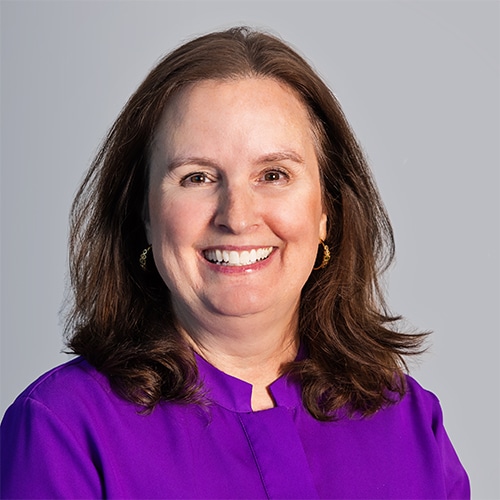
Mary Wichansky , LCSW-C
Director, National Center for Adoption Competent Mental Health Services
Building Readiness for Lasting Change
As we begin Year 4 of the National Center for Adoption Competent Mental Health Services, I find myself reflecting on both how far we have come and the responsibility we share for what lies ahead.
Over the past three years, together with our partners across the country, we have made meaningful progress in advancing adoption competency and strengthening support for children, youth, adults, and families impacted by foster care, kinship care, guardianship, and adoption. We have expanded awareness, increased access to resources and learning opportunities, strengthened cross-system partnerships, elevated lived expertise, and helped communities build capacity to better meet families’ behavioral health needs.
This past year demonstrated what is possible when leaders, communities, and systems commit to building lasting capacity. Through the National Adoption Competency Mental Health Training Initiative (NTI), hundreds of professionals gained specialized knowledge and skills to provide adoption- and foster-competent mental health services. We also partnered with States, Tribes, and territories to develop new Training for Adoption Competency (TAC) sites, creating sustainable pathways for advanced workforce development and ongoing learning. Alongside system leaders, we helped integrate adoption competency into workforce development plans, contracts, policies, and implementation strategies, moving it from an individual skill set to an organizational and system-wide expectation.
Through technical assistance, cross-system partnerships, peer learning opportunities, and implementation support, we have also helped States, Tribes, and territories move adoption competency beyond training alone and into implementation efforts that strengthen policies, workforce development, service delivery, and sustainability. At the same time, we have strengthened collaboration across child welfare, behavioral health, Medicaid, education, and community systems; elevated the voice of individuals and families with lived expertise; supported leadership development; and helped communities identify practical strategies for sustaining adoption competent services beyond the life of any single initiative or grant. These accomplishments are helping create stronger foundations for long-term systems change.
These accomplishments belong to all of us.
They represent the work of State agencies, Tribal nations, territories, providers, family leaders, advocates, educators, behavioral health professionals, child welfare leaders, Medicaid and managed care partners, and community organizations who have joined together around a shared belief: that every child, youth, adult, and family deserves access to support that recognizes the lifelong impact of separation, loss, trauma, permanency, and belonging.
While we celebrate that progress, we also know the work is far from finished.
Across the nation, children, youth, adults, and families continue to face significant behavioral health challenges. Children, youth, and families with complex behavioral health needs often rely on multiple systems at the same time, including child welfare, behavioral health, Medicaid, education, crisis response, and community-based services. When those systems are not well connected, families may have delays in care, barriers to access, fragmented services, increased stress, and missed support opportunities. At the same time, workforce shortages, growing service demands, and competing priorities continue to challenge the systems working to meet those needs. We also continue to deepen our understanding that the effects of adoption, foster care, kinship care, guardianship, separation, loss, and permanency extend well beyond childhood and can shape well-being across the lifespan.
Yet amid these challenges, I remain deeply hopeful.
Everywhere we work, we see leaders asking bold and important questions:
How do we better prepare and support our workforce?
How do we ensure families can access care when and where they need it?
How do we remove barriers and make services easier to access?
How do we move beyond inviting lived expertise to truly sharing power with those whose experiences should inform our decisions?
How do we strengthen partnerships across systems so that families experience coordinated, responsive support?
And perhaps most importantly,
How do we ensure that the progress we achieve today continues long after individual projects, grants, or initiatives end?
These questions have shaped an important realization for our National Center.
Awareness alone is not enough. Knowledge alone is not enough. Even commitment alone is not enough.
Sustainable change requires readiness.
Readiness is more than a willingness to change. It is the work of creating conditions in which meaningful, sustainable change can take root, grow, and endure. It means investing in people; strengthening partnerships; engaging families and individuals with lived expertise as true partners; aligning policies and practices; creating accessible pathways to care; and building the infrastructure needed to move from learning to implementation and long-term sustainability.
When these elements come together, transformation becomes possible.
That is why readiness will be a central focus of the National Center’s work in Year 4.
In the months ahead, we will continue helping leaders and communities move beyond awareness toward action while supporting organizations, systems, and communities in building what is required for change to succeed and last. We will explore not only innovative ideas and promising practices, but also the practical foundations that make implementation sustainable over time.
Through this year’s NC Minute series, webinars, learning opportunities, and resources, we will share leadership perspectives on emerging issues, lessons from States, Tribes, and territories, stories of implementation and systems change, examples of cross-system collaboration, family and lived expertise, practical strategies, and tools that can be applied across child welfare, behavioral health, Medicaid, education, and related systems.
Together, we will ask a different question:
Not simply, “What needs to change?”
But “What needs to be in place for change to succeed and last?”
We will also highlight what communities can achieve when they have the time, partnerships, and support needed to intentionally build readiness. This October, we invite you to join us for Building Readiness Together: Lessons from Oklahoma’s Cross-System Adoption Competency Journey, where Oklahoma leaders and partners will share how they strengthened cross-system readiness, expanded adoption competency, built workforce capacity, and sustained progress over time. Their experience offers powerful lessons for communities working to create lasting systems change on behalf of children, youth, adults, and families.
As we enter this new year together, I am inspired by what we have already accomplished and energized by what remains possible. The work ahead will require persistence, partnership, innovation, and a continued commitment to learning from one another. But if the first three years have taught us anything, it is that meaningful systems change is possible when people come together around a shared vision and remain committed to seeing it through.
Thank you for being part of this journey.
Together, we are building more than programs or initiatives. We are helping create systems that are stronger, more connected, and better prepared to support children, youth, adults, and families not only today, but for generations to come. That is the work of readiness, and that is the future we are building together.
Warmly,
Mary Wichansky
Director, National Center for Adoption Competent Mental Health Services
Building Readiness Together
Join Our Webinar
Join our October webinar to learn how Oklahoma built the foundation for lasting change and what communities can do to strengthen readiness and improve outcomes.