FIND CARE
Adoption Competent Care
Finding mental health support is an important step. Finding a provider who understands your family’s experiences can make that support even more meaningful. If you’re wondering how to find adoption competent mental health providers, looking for family support services related to child welfare, or trying to better understand your options, you can start here.
What Is Adoption Competent Mental Health Care?
Adoption competent mental health care recognizes that experiences connected to adoption and child welfare can have an impact throughout a person’s life. Adoption competent providers understand issues such as grief and loss, trauma, attachment, identity development, connection, and belonging. Care is family-centered, strengths-based, and responsive to each child and family’s experiences and needs.
How to Find Adoption Competent Therapists
 The Adoption Competence National Directory helps families find mental health therapists nationwide who have completed formal training in adoption competence.
Search by location to connect with providers who have specialized knowledge and skills for supporting children and families impacted by adoption and child welfare.
Improving Mental Health Access for Families
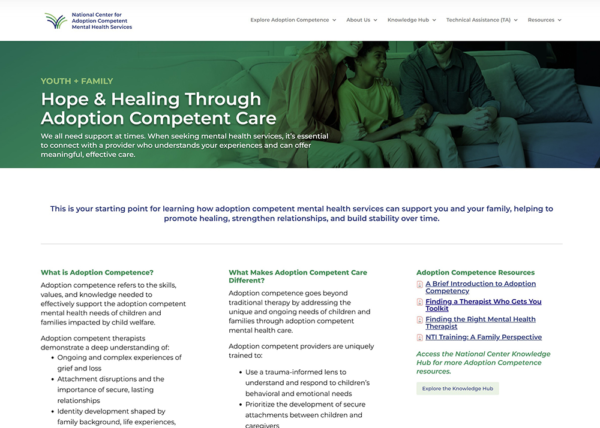 Families deserve access to providers who understand their experiences and can respond with appropriate care. By strengthening the adoption competent workforce and helping families connect with trained providers, we can support improving mental health access for adoptive families and others impacted by child welfare. The National Center also provides resources that help families understand available services, identify appropriate support, and make informed decisions about mental health care.
Mental Health Resources for Youth and Families
Knowing where to turn for support can feel overwhelming. The National Center provides blogs and webinars for families with information to help children, youth, parents, and caregivers better understand mental health and adoption competence. Explore resources related to trauma-informed support for families, youth mental health, family relationships, identity, connection, and other topics relevant to adoptive, foster, kinship, and guardianship families.
Recent Youth and Family Posts

Webinar: Lived Experience Voices That Shape Care
Lived experience is more than a powerful story. It is essential expertise for building effective mental health systems. Highlights from the National Center’s webinar, Voices That Shape Care, demonstrate how youth, families, caregivers, and adoptees are helping shape permanency and adoption competent services, strengthen workforce development, and drive lasting systems change across states and communities.
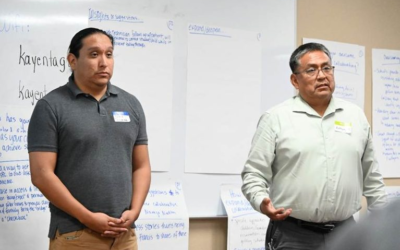
Navajo Nation Launches Community Collaboration Initiative
Partners across the Navajo Nation are coming together to strengthen services for children, youth, and families. Learn how community collaboration is improving access to support and building stronger pathways to well-being.

Every Interaction Matters: Improving Care Through Adoption Competency
Why Adoption Competency Matters Across Healthcare Here’s an article from New England Children’s Behavioral Health Network that explores why adoption...
Recent Youth and Family Webinars
Be a Lifeline: How Caring Adults Can Help Youth Thrive
In Their Backpack: The Added Weight of Loss & Grief for Students in Adoptive, Foster, Kinship, and Guardianship Families
Responsive Care in Your Area
Find adoption competent care, explore care and support, or find mental health support.