

Reflecting on Two Years of Progress and Partnership  

Reflecting on Two Years of Progress and Partnership  

Reflecting on Two Years of Progress and Partnership  

Letter from the Director of the National Center for Adoption Competent Mental Health Services

As we mark two years since the founding of the National Center for Adoption Competent Mental Health Services, I am proud of the remarkable progress we have made toward our vision: ensuring every child and family who has experienced the child welfare system can truly thrive

Our mission is clear—strengthening the capacity of States, Tribes, and Territories to deliver adoption-competent, trauma-informed, and responsive mental health services. We believe that three essential pillars unlock better outcomes for families:

  • Workforce Development
  • Access to Adoption-Competent Care
  • Cross-System Collaboration

Through our work, we raise awareness about the importance of care that recognizes the impact of child welfare experience and helps families to heal.  Professionals must be equipped to understand and address the effects of early trauma, separation, and loss, meeting the complex needs of children and families with empathy and expertise.

Building a Network and Expanding Access

Creating a network of adoption competent professionals is critical, but our commitment goes further. We strive for a future where every child, youth, and family has access to adoption competent mental health care.  Access to mental health care remains a national challenge and for this population, the challenge is even greater.   We actively explore and implement creative strategies to dismantle a variety of access barriers.

Collaboration across systems amplifies our impact, supports sustainability, and ensures families get the support they need. We are honored to partner with dedicated professionals nationwide who embrace our mission and drive local action.

Achievements and Impact

In our first year, we focused on building a strong foundation.  We assembled a diverse team of experts, launched our website and Knowledge Hub, and developed outreach and engagement strategies to partner with in States, Tribes, and Territories to advance adoption competency in their systems.

Our second year brought measurable impact. Children and families received services from an ever-increasing adoption competent network of providers.  These newly trained professionals were equipped to effectively support the needs of children and families.  We shared 24 new content pieces, hosted monthly webinars, and expanded our newsletters and social campaigns to increase awareness. Our Knowledge Hub has become a trusted resource for guidance and tools.

Our Intensive Technical Assistance work has been transformative. We are now partnering with Oklahoma, Illinois, Rhode Island, South Dakota, Michigan and the Navajo Nation, each developing innovative models for advancing adoption competency that is tailored to their local context. We are excited as we begin to develop replicable strategies that can be applied to future STT engagements.

Looking Ahead

As we enter our third year, our goals remain clear:

  • Build and sustain cross-system collaboration
  • Enhance workforce adoption competence
  • Expand access to adoption-competent mental health services

Together with Federal partners, States, Tribes, Territories, and leaders with lived experience, we are creating a more compassionate and effective system of care.

Thank you for your partnership and commitment to this vital work. Adoption-competent care doesn’t just change lives today—it shapes the future for generations to come.

 

With gratitude,

Mary Wichansky

National Center Director, National Center for Adoption Competent Mental Health Services


Stay Connected to Our Work in Action

Follow us for updates across states, tribes, and territories, plus conference highlights, training, resources, and insights on adoption competent mental health care
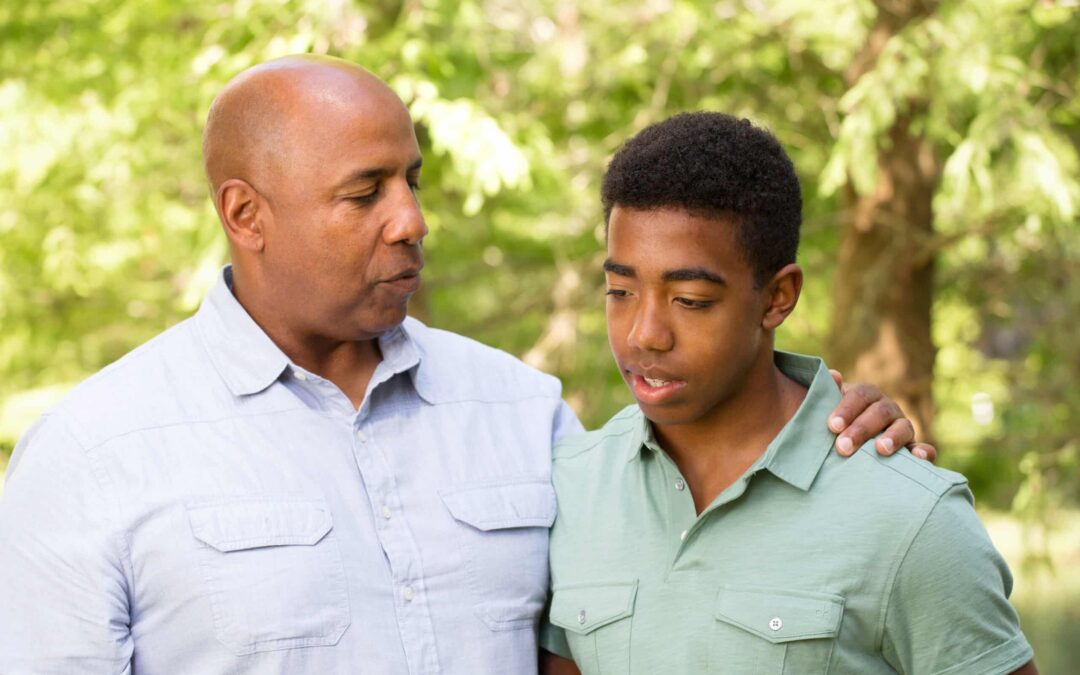

Webinar Reflection: Fatherhood Reimagined: Parenting Through Change, Challenge, and Healing

Webinar Reflection: Fatherhood Reimagined: Parenting Through Change, Challenge, and Healing


Webinar Reflection: Fatherhood Reimagined: Parenting Through Change, Challenge, and Healing

By Edward A. Casillas


I recently viewed Mental Health America’s webinar, Fatherhood Reimagined: Parenting Through Change, Challenge, and Healing, a panel discussion featuring three fathers.

As a father and fatherhood consultant, I was struck by how the discussion shed light on the often-overlooked mental health challenges fathers face. In my experience, I’ve witnessed firsthand how a father’s mental health and emotional well-being profoundly impact his relationship with his children — influencing not just how he shows up, but how his children inte alize love, stability, and self-worth.

Fathers are frequently expected to navigate family challenges without adequate tools to manage their own inte al struggles. As Bradley Vinson aptly puts it, “Expectations without instructions” encapsulates the experience of many men. Society places significant demands on fathers — to provide, protect, nurture, and lead — yet often fails to provide guidance or spaces for them to process their pain and find healing.

I also appreciated Luis Resendez’s insight that fathers and their families have “different needs at different times.” Fathers may need education, affirmation, and encouragement as they navigate new parenthood, while later requiring deeper therapeutic support to address depression, grief, or feelings of inadequacy. These evolving needs often go unnoticed because fathers tend to conceal their struggles. Unaddressed mental health challenges can diminish a father’s confidence, strain his relationships, and inadvertently teach unhealthy coping mechanisms to his children.

Conversely, I’ve seen profound transformations when fathers are empowered with the resources and permission to prioritize their mental health — benefiting not only themselves but also enriching their relationships and renewing their sense of purpose.

Patrick Skildum said, “A father’s vulnerability is not his weakness; it is his greatest gift to his children.” Encouraging fathers to acknowledge and care for their mental health — embracing their humanity — not only strengthens them but also teaches their children that it’s acceptable to feel, to face challenges, and to seek healing.

We have a responsibility to advocate for tailored mental health supports for fathers, reminding them — and those around them — that they are not alone. Equipping fathers with compassion and practical tools to thrive is crucial; a father’s healing becomes his children’s foundation, and investing in his mental health is one of the most impactful ways to strengthen families and communities.


Healing in a Social Context: Why Connection Matters

Healing in a Social Context: Why Connection Matters


Healing in a Social Context: Why Connection Matters

 Healing is often perceived as a personal journey, something we undertake alone, within ourselves. While this perspective holds some truth, healing is profoundly influenced by those around us. As social beings, humans rely on others from birth for survival, comfort, and growth. Healthy, supportive relationships provide safety, love, and understanding — crucial elements for healing. In this blog post, I’ll share insights from my perspective as a therapist, emphasizing that this knowledge is relevant to everyone. We all contribute to the healing environment. 

Children involved in child welfare often experience developmental trauma, shaped by separation and loss. Adoption-competent mental health services prioritize attachment and facilitate healing within the family context. These services address emotional, relational, and psychological challenges unique to child welfare involvement, rooted in attachment, trauma, identity, and grief.  As a clinical social worker, I view the world through a ‘person-in-environment’ lens, recognizing social environments as integral. People influence our identities at various life stages, and adults — whether personally or professionally involved with children, like myself as a therapist — play a vital role in a child’s healing journey after adversity. In social work, we affirm that it takes a village to raise a child and to care for that village. We rely on each other not just to survive but to thrive. 

The idea for the blog title, “Healing in a Social Context,” was inspired by a talk I attended at the American Psychological Association Conference a few years ago, delivered by Bruce Wampold. His presentation, “Healing in a Social Context: The Importance of Clinician/Patient Relationship,” delved into what are often referred to as the “common factors” of therapy. These factors include elements like empathy and the quality of the therapist-client relationship. When you take a broader view, these elements are deeply embedded in the social fabric of our lives. I encourage you to watch his talk [here], where he shares vivid examples of social-contextual healing. I’ll share one of those examples below. 

Bruce described a phenomenon in honeybees called “social fever.” When an infection arises in the colony, the bees work together by fanning their wings to raise the hive’s temperature, effectively eliminating heat-sensitive pathogens. By acting collectively to help the sick members of the hive, they also protect the entire colony from the spread of infection.  A more familiar example of social healing in the human world is the placebo effect. This occurs when your brain is convinced that a “fake” treatment, like a sugar pill, is real. What’s fascinating is that healing is often triggered by the warmth and empathy conveyed by the person administering the sugar pill, not the pill itself. (That said, don’t go handing out sugar pills to promote healing!) 

So, what does this mean for mental health? One important takeaway is that while we have evidence-based mental health interventions that can significantly help children and their families, the success of these interventions depends on the people delivering them. Positive relationships amplify the effectiveness of these treatments. Relationships “bring the medicine,” help the medicine work better, and, in some cases, are the medicine.  As professional helpers, we become part of a person’s social context. We represent broader social systems and can offer a sense of belonging to those we support. Adoption-competent professionals, for example, understand that healing from early attachment disruptions happens through trust and consistency. Mental health and child welfare professionals have a unique role in fostering healing social environments that support long-term growth and recovery.   

Here Are a Few Ways to Help: 

  • Build Trust: Create safe spaces where clients feel heard and respected. Trust is the foundation of any healing relationship, and it grows when we consistently show up and follow through. 
  • Encourage Connection: Support clients in building or rebuilding healthy relationships. This might involve connecting children with mentors or helping adults strengthen family ties. Remember, clients live in the world—not just within the walls of our therapy offices. 
  • Model Healthy Interpersonal Relationships: Demonstrate what respectful, supportive communication looks like. This is especially impactful for individuals who have experienced unhealthy or harmful relationships. Strong relationships aren’t all rainbows; they’re about trusting each other, engaging in courageous conversations, and repairing when disagreements arise. 
  • Promote Secure Attachment Between Children and Their Parents: Address attachment disruptions through approaches such as Emotionally Focused Therapy, Theraplay, and Dyadic Developmental Psychotherapy. 
  • Help Parents Develop Co-Regulation Strategies: Equip parents with tools to enhance their child’s sense of safety. This could include validating the child’s feelings, providing opportunities for control, practicing calming strategies, and incorporating sensory breaks into daily routines.


If you’re reading this and don’t see yourself as a “professional helper,” know that you are a helper. You can play a meaningful role in someone’s healing journey. Be present. Listen without judgment. Show up. Fan your wings. And then show up again and again. Be part of the environment that fosters healing.   


Looking for Additional Resources?

Visit the Knowledge Hub to access models of intervention, training resources, and practical tools to strengthen cross-system collaboration and improve outcomes for children, youth, and families. 

Embracing Normalcy: Finding Balance in Mental Health and Growing Up 

Embracing Normalcy: Finding Balance in Mental Health and Growing Up 


Embracing Normalcy: Finding Balance in Mental Health and Growing Up 

We’re diving into a super important topic that affects many young people in care: normalcy and mental health. As young people navigate the ups and downs of life, it’s essential to reflect on what “normal” really means and how it impacts their mental well-being.   

What is Normalcy Anyway? 

First off, let’s break down what we mean by normalcy. It often refers to the everyday experiences and activities that most people take for granted. Think sleepovers, driving lessons, or even just hanging out with friends after school. For many, these activities are part of growing up, but for others—especially those in challenging situations like foster care or those facing mental health struggles—normalcy can feel like a distant dream.    As one of our Lived Experience Leaders wisely noted, “The system is often so overprotective that it stifles growth and development (no sleepovers, driving lessons, etc.).” This quote highlights how sometimes the very systems designed to protect young people in care can unintentionally hold them back. It’s crucial to find a balance between safety and growth, allowing young people to experience life fully while still having support.   

The Importance of Experiences 

Experiencing “normal” activities can significantly impact a young person’s mental health. These activities help build confidence, develop skills, and connect with others. For those in care or facing other challenges, these moments might be fewer and far between. But that doesn’t mean they’re impossible!    Reflecting on a personal experience, one Lived Experience Leader shared, “Normalcy does not apply for my longest placements. But for the placement when I was 17 preparing to age out of care, I was assigned an Independent Living Worker, and she taught me budgeting; we practiced shopping for groceries, and she helped me apply to colleges and scholarships.” This story emphasizes the importance of mentorship and support systems that can provide those essential experiences.   

Finding Your Own Normal 

So, how can young people create their own version of normalcy? Here are a few tips: 

  • Seek Opportunities: Look for programs or workshops in their community that teach life skills, whether it’s cooking, budgeting, or preparing for college. These experiences can be very empowering!
  • Build a Support Network: Surround themselves with people who understand their jou ey—friends, mentors, or counselors. Having a support system can make a world of difference.
  • Take Small Steps: Start with little challenges that push a young person out of their comfort zone. It could be planning a small outing with friends or trying a new hobby. Each step counts!
  • Practice Self-Care: Remembering, it’s okay to take a break. Prioritizing mental health by engaging in activities that help them relax and recharge.
  • Reflect on Your Growth: Regularly take a moment to acknowledge how far they’ve come. Celebrating small victories is crucial for maintaining a positive mindset.

Final Thoughts 

In a world that often feels overwhelming, a young person in care embracing their own sense of normalcy can be a powerful tool for mental health. While some may face additional barriers, it’s essential to remember that growth and development are possible with the right support and opportunities.  Let’s advocate for a world where every young person has the chance to experience those everyday moments that shape who they are. Whether it’s through mentorship, community programs, or just having a friend to lean on, we can all contribute to a brighter future.  Stay strong, stay connected, and keep growing!     

Adoption Competent Resources,
Right to Your Inbox

Join our email list and receive resources, learning opportunities, and up-to-date highlights of our work.

The Complex Relationship with Medication: Insights from Foster Care Youth 

The Complex Relationship with Medication: Insights from Foster Care Youth 

The Complex Relationship with Medication: Insights from Foster Care Youth 

Navigating mental health as a youth in foster care can be incredibly challenging, particularly when it comes to the use of medication. While many young people access mental health services and pharmacotherapies during their time in care, the reality shifts dramatically after they leave care.   

Understanding the Landscape 

Research shows that while youth in foster care have relatively high rates of accessing mental health services and medications, many stop taking these medications after exiting care. Alarmingly, a significant number of young adults report that they discontinue pharmacotherapy of their own accord and without medical supervision. This raises important questions about the adequacy of support systems in place for those transitioning out of foster care.   

The Barriers to Medication Adherence 

For many young adults leaving foster care, the jou ey to maintaining mental health is fraught with obstacles: 

  1. Limited Access to Services: After exiting care, many youth struggle to find accessible mental health services. This can lead to gaps in support that leave them feeling vulnerable and unsupported.
  2. Financial Constraints: The costs associated with medications and therapy can be overwhelming for young people trying to establish their independence. Many find themselves unable to afford the treatments that could help them manage their mental health.
  3. Lack of Guidance: The absence of ongoing support from mental health professionals can make it difficult for youth to make informed decisions about their treatment, leading to a higher likelihood of stopping medication without proper consultation. 

The Protective Factors at Play 

Research identifies three critical protective factors that can help young people manage their mental health effectively: 

  • Therapeutic Support: Access to individual and group therapy provides a space for emotional expression and healing, essential for managing conditions like PTSD, anxiety, and depression. 
  • Mental Health Medications: For many, these medications play a vital role in stabilizing their mental health, particularly during difficult transitions. 
  • Sense of Competence: Building self-efficacy and confidence in one’s ability to manage challenges can significantly impact overall well-being. 

Real Voices, Real Experiences 

To truly understand the complexities of medication use among youth in foster care, it’s important to listen to their voices. Richard, a Lived Experience Leader, shares what he went through during his time in care:   

Concerns About Unnecessary Prescriptions

“When I was in group homes, there were a lot of kids that had been prescribed medication that they didn’t need. They had talked to the psychiatrist and said they had many different ‘symptoms’ that were made up. The psychiatrist didn’t take the time to check on the problem before prescribing medications.” This reflects a critical concern: the lack of thorough assessment and individualized care can lead to mistrust in the mental health system, making young people hesitant to engage with medication.   

Fear of Dependency

“My first therapist was very focused on getting me to take medication. I remember two things from that time: yoga sessions with my cousin and the constant emphasis on medication. I always felt a resistance to this approach. I didn’t want to rely on medication for my happiness; the thought of it scared me. What if, once I was off the medication, I couldn’t feel happiness on my own? I worried it would create a false sense of positivity.”    This fear is widespread among youth, illustrating the anxiety around dependency on medication for emotional well-being.   

Feeling Overwhelmed and Isolated

“The insistence on medication started to feel overwhelming. It led to a sense of resentment—not just toward the therapy itself, but also toward the therapist. It felt like they weren’t really listening to me, as if my personal struggles were reduced to checkboxes on a form. In a world where we crave connection and understanding, this lack of genuine engagement can make us feel isolated.”    This highlights a critical gap in mental health care: the need for a therapeutic approach that prioritizes listening and understanding over simply prescribing solutions. 

Moving Toward Better Support 

Addressing the complexities surrounding medication for youth in foster care requires a multifaceted approach. Mental health systems must focus on providing accessible, individualized care that genuinely listens to the experiences and concerns of young people.    Creating a supportive environment where youth feel empowered to make informed decisions about their mental health can make a significant difference in their well-being. By advocating for more comprehensive support systems and prioritizing authentic engagement, we can help ensure that young adults leaving foster care have the tools they need to navigate their mental health journey successfully.    The relationship with medication is a complex and often challenging aspect of mental health for youth in foster care. By understanding the barriers they face and amplifying their voices, we can work toward a system that truly supports their needs and fosters resilience. Together, we can help create a brighter future for all young people navigating the often turbulent waters of mental health.    


Looking for Additional Resources?

Visit the Knowledge Hub to access models of intervention, training resources, and practical tools to strengthen cross-system collaboration and improve outcomes for children, youth, and families. 

Addressing Complex Mental Health Needs in Foster Care: A Youth Perspective 

Addressing Complex Mental Health Needs in Foster Care: A Youth Perspective 


Addressing Complex Mental Health Needs in Foster Care: A Youth Perspective 

Written by Sepherina Latthium    When we hear the term “Complex Mental Health Needs,” it can evoke a wide range of thoughts. For young people with experience in the foster care system, the term often represents the layers of trauma, mental health challenges, and the need for intensive, tailored care. Youth in foster care face a unique set of challenges, including navigating the intersection of multiple diagnoses, emotional stressors, and the lingering impact of their environment. For them, addressing these needs requires more than just medication or therapy — it calls for understanding, compassion, and a system that supports their holistic well-being.   

What Does “Complex Mental Health Needs” Mean to Foster Youth? 

Many young people in foster care understand complex mental health needs through their own lived experience. Their insights offer a window into how deep and multifaceted these needs truly are. 
“This term, to me, means that this person is experiencing a type of mental illness that affects them deeply; such as their perception of self, reality, or is so intense that it is debilitating both mentally and physically.
– Keona Rose, age 23, 5 years in Arizona foster care    While each person’s experience may differ, many agree that complex mental health needs involve a combination of diagnoses or struggles that create layers of difficulty in daily functioning. These needs aren’t easily addressed by a one-size-fits-all approach. 
“When I think of complex mental health needs, I think of someone who probably had an adverse childhood. Someone with multiple or severe mental illnesses that contributes to high levels of psychological distress… Someone with complex mental health needs typically needs more than just a typical youth.”

– Jaxx Ryann, age 24, 4 years in Montana foster care


The Weight of the Label 

 For some, understanding that they have complex mental health needs can feel empowering. It provides context to what they’ve experienced and helps explain why their struggles may look different from others. But for others, it can be a heavy label to carry. 
“For me, it was really hard to hear at first. I’ve always been told I’m difficult to deal with, I’m a burden. It took a long time for me to separate myself from my diagnosis.”
– Jaxx Ryann, age 24, 4 years in Montana foster care   On the other hand, sometimes the hardest part isn’t the diagnosis itself, but the perceptions and stigma carried by others: 
“I got an adult diagnosis of autism, and my parents… took it almost like an insult, I guess. They’re like, ‘oh, something’s wrong with my genes, that can’t be right.’ And I was like, it’s just a thing, you know.”  
– Silas Fulcher, age 25, experience in Georgia foster care    For youth in foster care, understanding their mental health challenges is critical, but the system’s response to these needs must be thoughtful. Labeling a young person with “complex mental health needs” shouldn’t reinforce negative stereotypes or isolate them further. Instead, it should open doors to appropriate support that acknowledges their unique needs without defining them by their struggles.
A Call for Trauma-Informed Care 
Ultimately, addressing complex mental health needs for foster youth requires a trauma-informed approach. These young people have lived through experiences that deeply affect their mental health, and they need services that reflect the depth of their struggles. Trauma-informed care goes beyond clinical treatment — it recognizes the impact of the foster care experience and centers on healing and understanding. This is where adoption competent mental health services come in.   As Keona Rose wisely suggests, youth must be given agency in understanding their mental health:  “Giving youth a choice to want to know more about themselves or just tend to their level of comfort and needs is what should be focused on and prioritized… Always take trauma-informed approaches.” Keona Rose, age 23, 5 years in Arizona foster care    The perspective of these young people reinforces the need for systems of care to be compassionate, supportive, and adaptable to the complex realities they face. Their mental health is not just another checklist item, but a vital part of their jou ey toward healing and stability. 

Conclusion 

Addressing complex mental health needs in foster care is about more than treating symptoms. It’s about understanding the profound impact of trauma, recognizing the layers of difficulty that youth in care experience, and creating systems that respond with care and support. From their own words, it’s clear that foster youth need a comprehensive, individualized approach to mental health — one that centers their lived experiences, meets their unique needs, and gives them the tools to thrive.    About FosterClub and the Lived Experience (LEx) Leaders who contributed their perspectives to this blog: FosterClub, a proud partner of the National Center for Adoption Competent Mental Health, is the national network for young people who experience foster care. In partnership with Lived Experience Leaders, FosterClub drives change in the child welfare system and provides direct support to children and youth.