Oklahoma Hears from Lived Experience Leaders about Improving Mental & Behavioral Health

Oklahoma Hears from Lived Experience Leaders about Improving Mental & Behavioral Health
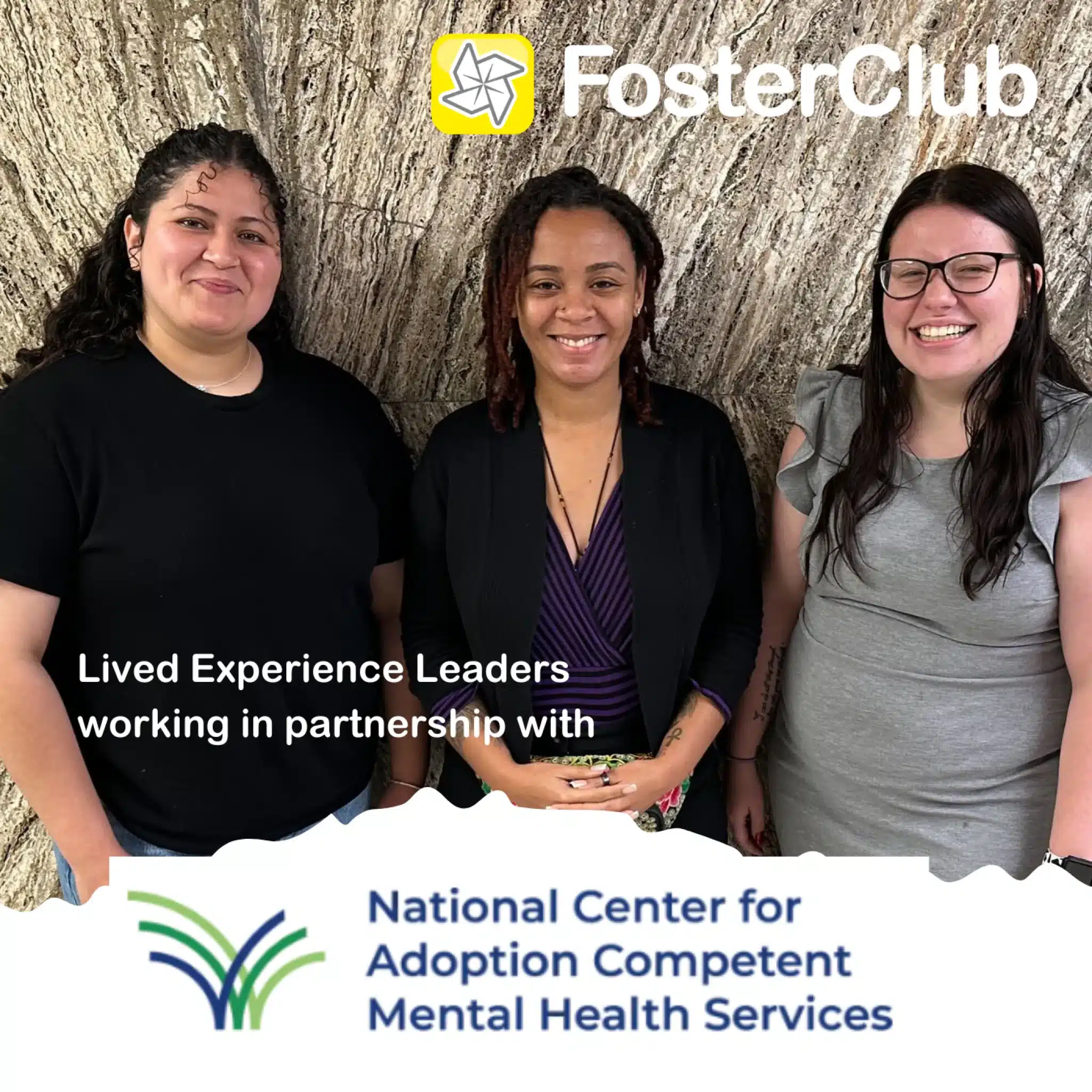
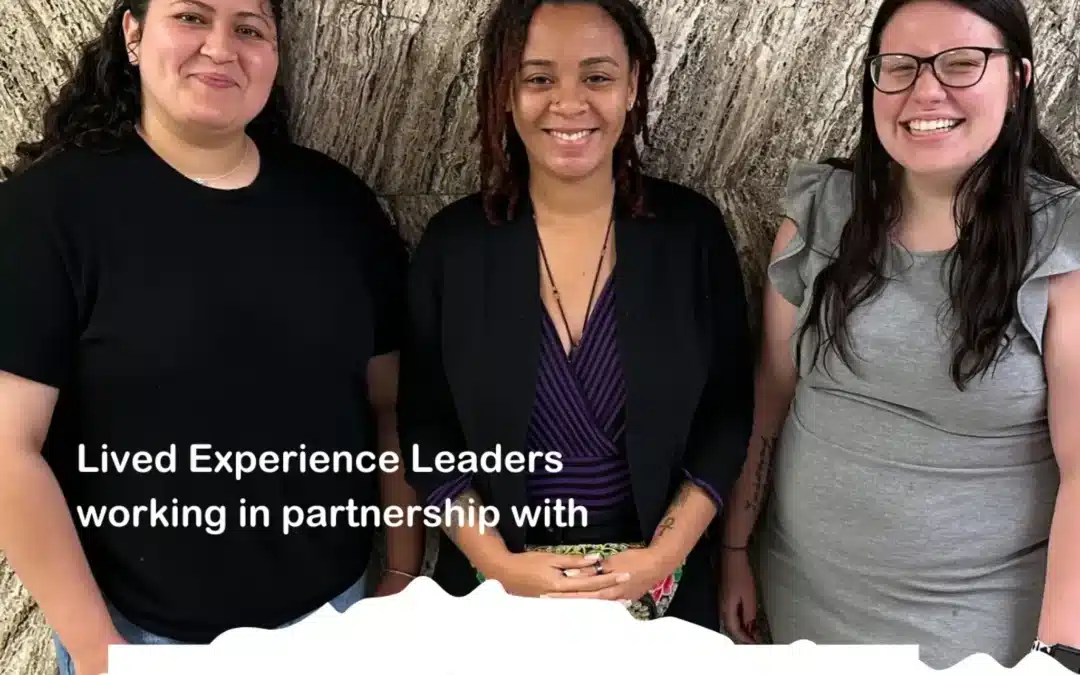
  On September 19, FosterClub Lived Experience Leaders Cinthia Garcia, age 22 (Indiana), Anaya Carter, age 24 (Texas), and Kenzie Drake, age 20 (Missouri), shown left to right, went to Oklahoma with The National Center for Adoption Competent Mental Health Services to talk about challenges and solutions for improving mental health and behavioral health for young people in foster care. Cinthia, Anaya, and Kenzie are members of the Lived Experience Advisory Board, a ten-member team of young people with lived experience in the child welfare system designed to advise the National Center and its partners in its work over a five year project. The National Center aims to improve mental health outcomes for children and families impacted by child welfare by providing technical assistance that bridges the gap between child welfare and mental health systems. The National Center prioritizes the need for specialized mental health services for children and families who have experienced the child welfare system. The Advisory Board is managed by FosterClub, the national network for young people in foster care, a partner of the National Center. Oklahoma is the first site of the National Center. The meeting brought together mental health and behavioral health practitioners with child welfare leaders to discuss challenges and solutions in serving children, youth, and their families.

Get to know the three LEx Leaders who participated:

Cinthia Garcia (She/Her), age 22 Spent 5 years in Indiana foster care Cinthia Garcia, originally from Mexico, entered the foster care system at 16 and aged out at 21. Overcoming challenges like language barriers and financial instability, she is now pursuing a degree in Spanish. Cinthia has been recognized for her advocacy work, including being named Outstanding Youth Advocate in 2024.  Cinthia is passionate about continuing her education, with long-term goals of ea ing a Master’s in Social Work.

Anaya Carter (She/Her), age 24 Spent 3 years in Texas foster care Anaya Carter, from Texas, is a spiritual healer and advocate with three years of foster care experience. After aging out at 18, she found healing through the Texas Network of Youth Services, where she serves on the Young Adult Leadership Council. Anaya is passionate about helping others heal from trauma and is proud of her personal and spiritual growth. She works in childcare and supports her brother’s child development franchise. Anaya is excited to continue her advocacy work with FosterClub, aiming to be a leader and voice for youth across the nation.

Kenzie Drake (She/Her), age 20 Experience in Missouri foster care Kenzie is currently in college pursuing her passion of nursing and anticipates graduating in 2026. When she’s not studying, Kenzie loves to walk and hang out with friends. One thing she is extremely proud of is graduating high school with a 3.9 GPA. Currently, Kenzie could work at a hospital as a Nursing assistant. She wanted to be a part of FosterClub to use her lived experience to support youth who are enduring a broken system.
 

Oklahoma Hears from Lived Experience Leaders About Improving Mental & Behavioral Health

Oklahoma Hears from Lived Experience Leaders About Improving Mental & Behavioral Health

Oklahoma Hears from Lived Experience Leaders About Improving Mental & Behavioral Health

On September 19, FosterClub Lived Experience Leaders Cinthia Garcia, age 22 (Indiana), Anaya Carter, age 24 (Texas), and Kenzie Drake, age 20 (Missouri), shown left to right, went to Oklahoma with The National Center for Adoption Competent Mental Health Services to talk about challenges and solutions for improving mental health and behavioral health for young people in foster care. Cinthia, Anaya, and Kenzie are members of the Lived Experience Advisory Board, a ten-member team of young people with lived experience in the child welfare system designed to advise the National Center and its partners in its work over a five year project.

The National Center aims to improve mental health outcomes for children and families impacted by child welfare by providing technical assistance that bridges the gap between child welfare and mental health systems. The National Center prioritizes the need for specialized mental health services for children and families who have experienced the child welfare system.

The Advisory Board is managed by FosterClub, the national network for young people in foster care, a partner of the National Center. Oklahoma is the first site of the National Center. The meeting brought together mental health and behavioral health practitioners with child welfare leaders to discuss challenges and solutions in serving children, youth, and their families. Get to know the three LEx Leaders who participated:

Cinthia Garcia (She/Her), age 22 Spent 5 years in Indiana foster care Cinthia Garcia, originally from Mexico, entered the foster care system at 16 and aged out at 21. Overcoming challenges like language barriers and financial instability, she is now pursuing a degree in Spanish. Cinthia has been recognized for her advocacy work, including being named Outstanding Youth Advocate in 2024.  Cinthia is passionate about continuing her education, with long-term goals of ea ing a Master’s in Social Work.

Anaya Carter (She/Her), age 24 Spent 3 years in Texas foster care Anaya Carter, from Texas, is a spiritual healer and advocate with three years of foster care experience. After aging out at 18, she found healing through the Texas Network of Youth Services, where she serves on the Young Adult Leadership Council. Anaya is passionate about helping others heal from trauma and is proud of her personal and spiritual growth. She works in childcare and supports her brother’s child development franchise. Anaya is excited to continue her advocacy work with FosterClub, aiming to be a leader and voice for youth across the nation.

Kenzie Drake (She/Her), age 20 Experience in Missouri foster care Kenzie is currently in college pursuing her passion of nursing and anticipates graduating in 2026. When she’s not studying, Kenzie loves to walk and hang out with friends. One thing she is extremely proud of is graduating high school with a 3.9 GPA. Currently, Kenzie could work at a hospital as a Nursing assistant. She wanted to be a part of FosterClub to use her lived experience to support youth who are enduring a broken system.

Elevating Youth Voices in Trauma-Informed Care

Elevating Youth Voices in Trauma-Informed Care


Youth Voices in Trauma-Informed Care

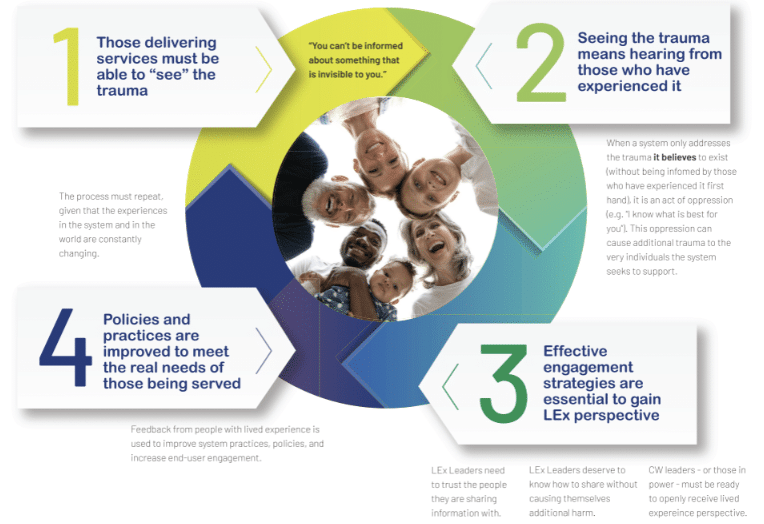
The National Center prioritizes the inclusion of lived experience voices in everything that we do. In order to improve mental health services for children and youth, we must all listen to and lea from those who have experienced child welfare and mental health systems. Binley Taylor worked with Faith Sharp, a LEx Leader, to write this post.   To be truly trauma-informed, it is crucial for those delivering services to recognize and understand the trauma experienced by those they serve. This understanding is only possible by listening to the voices of people with lived experience (LEx). Seeing the trauma means hearing directly from those who have lived through it.  

Faith Sharp, an individual with lived experience in foster care, highlights what makes someone with such a background a good leader. She emphasizes the importance of being flexible, working towards goals, and keeping track of one’s ideas. Faith feels empowered when adult stakeholders listen to her ideas and experiences. She believes that often her insights offer a unique perspective that others may not have considered, and it’s rewarding when her experience can blend into the work. As she continues to grow as a professional, she hopes to be heard not just as someone with lived experience but also as an expert in the workforce.  

For LEx leaders to be willing to share their trauma, three key conditions must be met:   Trust: LEx individuals need to trust the people they are sharing information with. Safety: They deserve to know how to share without causing themselves additional harm. Readiness: Child welfare leaders, or those in power, must be ready to receive this information, embracing power-sharing and other LEx engagement strategies.   Faith shares that in her current work, she is part of changing the foster care system in small ways every day. Sharing her story is a significant part of this work. She advises adult stakeholders to avoid calling out youth in meetings but instead to create spaces for them to provide feedback. “Every room is a space for lived experience voice if you have a desire to include it,” she says. Tokenistically including LEx voices without genuine engagement contradicts the essence of meaningful inclusion.   Effective engagement strategies are essential for meaningful participation.

Here are some key strategies to ensure effective engagement of LEx leaders :   Create Safe Spaces: Ensure environments are supportive and non-judgmental. Provide Training: Equip LEx leaders with skills and knowledge. Offer Compensation: Recognize their contributions with fair compensation. Youth/Adult Partnerships: Encourage partnerships between LEx leaders and professionals. Continuously Seek Feedback: Use feedback to improve engagement and system practices.   Policies and practices need to be improved to meet the needs of those served. This means adopting trauma-informed practices that truly understand and address the experiences of LEx individuals. By listening to and incorporating the voices of LEx leaders, the foster care system can make significant strides toward better outcomes for all.   Faith’s jou ey and insights remind us that the inclusion of lived experience voices should be genuine and integrated into every aspect of the system. This approach not only enriches the work being done but also empowers those with lived experience to lead and innovate within the system.  

Mental Health Reimagined: A Summit on Youth Well-Being 

Mental Health Reimagined: A Summit on Youth Well-Being 


Mental Health Reimagined: A Summit on Youth Well-Being  

Written by Binley Taylor   FosterClub, in partnership with the Oregon Department of Human Services (ODHS), recently held a mental health and wellness summit for young people in and from Oregon’s foster care system and the adults who support them daily in Gladstone, Oregon. CASA workers, independent living providers, foster/resource parents, caseworkers and other professionals attended the event to lea about the impact of wellness on mental health. The event featured a diverse array of wellness activities, highlighting how different practices can enhance mental well—being.   From yoga and gym workouts to forest therapy, art, music, and creative writing workshops, the summit created a truly holistic environment. It highlighted the importance of integrating these practices into our mental health care routines.  

A Holistic Approach to Mental Health

The summit demonstrated how various wellness practices can work together to support mental health. Attendees had the chance to experience the stress-reducing effects of yoga, the mood-boosting power of exercise, and the calming influence of nature through forest therapy.   Art, music, and creative writing workshops added a layer of self-expression and emotional exploration. The summit showed that by combining these diverse elements, we can create a comprehensive approach to nurturing our mental well-being.  

Key Takeaways from the Summit

    t
  1. Community Matters. The summit brought together people from all walks of life, highlighting the power of community in mental health. Engaging in group activities fostered a sense of belonging and mutual support.
  2. t
  3. Integration is Key. The summit proved that incorporating wellness activities into mental health care can lead to significant improvements in overall well-being. It’s not about choosing just one practice, but rather finding a balance that works for the individual.
  4. t
  5. Wellness is for Everyone. The summit showed that wellness practices are accessible and beneficial for all, regardless of age or background. It’s about finding what resonates with you and making it a part of your life.
 

Informing the Work of the National Center

The insights gained from the summit support the goals and objectives of the Center. By integrating wellness practices into its training and support programs, the Center has the ability to affect how mental health services can affect youth, families, and the system as a whole.   The Center can draw on the summit’s success to develop holistic programs, offer evidence-informed training, and foster community and peer support networks. By doing so, the Center, in partnership with selected sites, will build stronger, more resilient mental health systems that truly meet the needs of those they serve.   Additionally, the Center’s commitment to providing equitable mental health services around adoption competencies is crucial. By engaging youth and families directly, the Center ensures that their voices and experiences shape the development and implementation of these services. This approach not only promotes equity but also enhances the effectiveness of mental health interventions by tailoring them to the unique needs of those who have directly experienced the system.  

Conclusion

The Mental Health Reimagined summit was a powerful testament to the transformative potential of wellness in mental health. It showed us that by embracing a holistic approach, we can contribute to a brighter, healthier future for ourselves and the communities we serve.   As the Center moves forward with its work, inspiration can be pulled from this event or others that are similar. By integrating wellness practices and building bridges between systems of care, the Center has the opportunity to make a profound difference in the lives of countless youth and families across the country. The Center’s focus, providing technical assistance to states, ensures that these holistic and equitable mental health services are accessible and impactful. Engaging youth and families in this process guarantees that the support provided is both relevant and effective, fostering a stronger, more supportive environment for all.