
This Week in the News 8/26-8/30

This Week in the News 8/26-8/30


This Week in the News 8/26-8/30

It was a busy news week for topics related to child welfare and mental health. We read a few articles centered on the continued discussion around the over-reliance of residential treatment, a key issue that many of our partners have identified as well. While we know children fare best with their family or in another home environment, it is often difficult to meet their mental health needs with community-based services. These states are identifying solutions and implementing new programs that can meet the child’s mental health needs in their community rather than a higher level of care:  

  • California continues to enact safeguards to ensure the safety of youth placed in residential treatment facilities. At the same time, they are taking steps to reduce the use of congregate care. Years ago, Califo ia shifted its approach from traditional group homes to address the longstanding issue of housing children solely due to the inability of local agencies to find more appropriate placements. Group homes are now used as short-term treatment programs. There are currently 339 such programs licensed in Califo ia, serving 1,499 youth, according to an Aug. 21 bill analysis. That number includes 1,182 foster youth and 317 children sent to a facility by a probation department. 


  • California parents of children on the Autism Spectrum also struggle with accessing mental health services and are often forced to place their child with the child welfare system. Despite the growing diagnosis of Autism, which has been estimated to affect more than 2 million children and teens across the country, experts and advocates have identified glaring gaps in services to meet the mental health needs of this population. 


  • Ohio is expanding its treatment foster care program, aimed at placing youth in family settings with caregivers trained to handle children facing behavioral, mental, or health challenges. This initiative enables children to remain within their local regions, near their families, schools, and healthcare providers. Additionally, specialized foster homes allow siblings to stay together. Recently, Ohio launched the Treatment Foster Home Pilot program across 34 participating counties grouped into 10 regions. This initiative is proving cost-effective for the state and counties, as treatment foster care costs significantly less — between one-third to one-fifth — compared to congregate care.


  • Tulsa, Oklahoma has implemented the Mighty Makers program as a solution to meet the mental health needs of youth in the community. The program is designed to help children ages 5-12 effectively manage their emotions, with the support of their families. One of the standout features of the Mighty Makers program is its accessibility. The program is completely free, eliminating financial obstacles that often hinder families from seeking essential mental health support for their children.  

  In addition to covering the mental health needs of youth, recent headlines address the needs of both parents and the child welfare workforce who support children and youth:  


Webinar Series: Suicide Prevention and Lived Experience

Webinar Series: Suicide Prevention and Lived Experience

WEBINAR SERIES:

Suicide Prevention and Lived Experience

Research indicates that youth involved in the child welfare system have higher rates of suicide ideation and attempts than their peers. During September, the National Center presented a 2-part webinar series about what parents, caregivers, and professionals can do to reduce this risk.

Photo of Susie ReeceWebinar: Suicide Prevention in Child Welfare

Presented: September 17, 2024

Susie (수지) Reynolds Reece, Director of Lived Experience Initiatives with the Suicide Prevention Resource Center, will review suicide risk among child welfare-involved youth, brief interventions to help these youth, and what suicide prevention efforts look like in child welfare systems.

Watch webinar

Photo of counselor holding a patient's hands

Webinar: Learning from Those with Lived Experience with Suicide

Presented: September 24, 2024

In this virtual panel discussion, adoptive parents, an adoptee, and a birth parent will share how suicide has impacted their lives and what we can learn from their experiences.

Watch webinar

Experiencing Grief: Finding Healing 

Experiencing Grief: Finding Healing 


Intersectional Grief: Adoption, Race, and Finding Healing

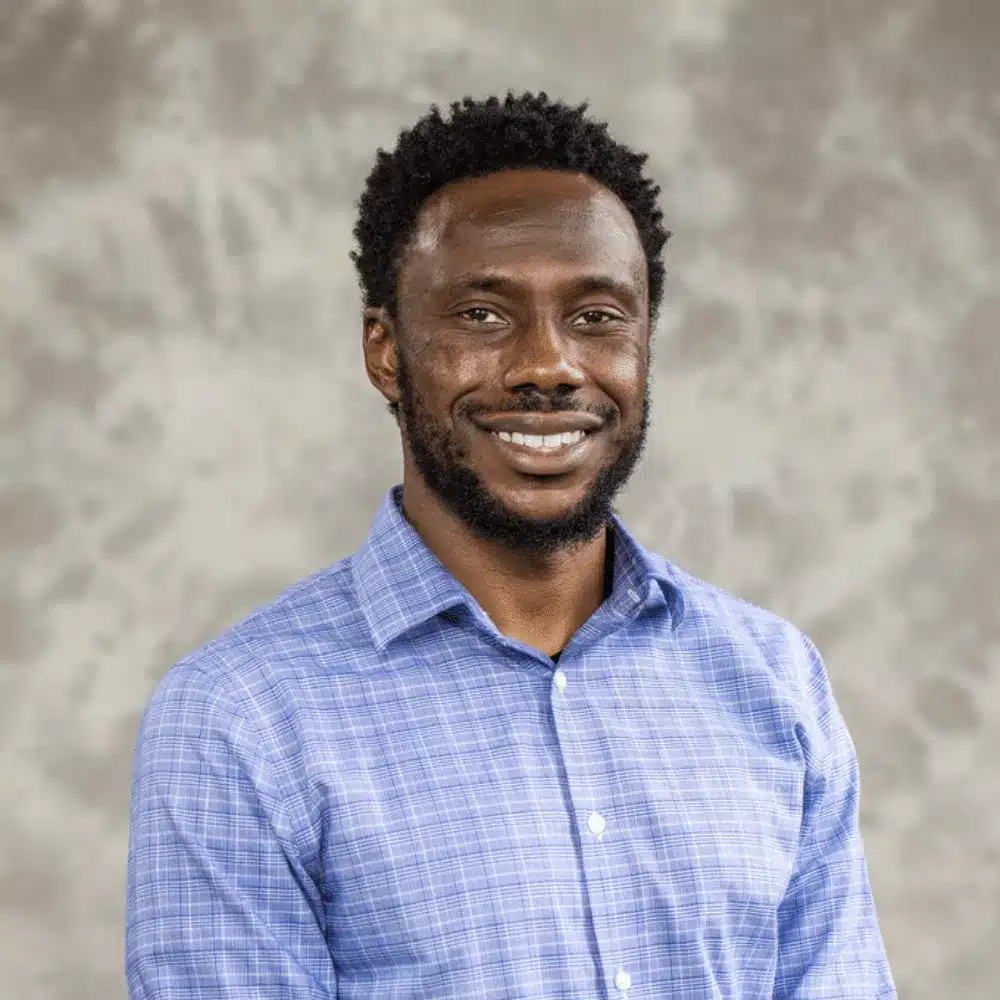
Written by Tony Hines, Training Specialist at The Center for Adoption Support and Education (C.A.S.E.)              

I am the Black adoptee of White adoptive parents. When my adoptive mother died of cancer when I was 12, I was sent to a therapist. I remember sitting in her chair week after week, not able to connect. Race was not talked about. Nor was adoption. Or how I felt about losing my adoptive mother after being separated from my birth mother.    Intersectional was a word I did not understand at the time, and yet the meaning of that word (the intertwining of my experiences) already held an incredible amount of weight in my life. Perhaps that is why I was uncomfortable talking about my struggles with my therapist and with my adoptive family.   The complicated relationships I had with my birth family made it hard to talk about my struggles with depression during this time with them as well. I knew that no one in my environment understood exactly what I was going through, which made me feel isolated. I handled things the way men, and Black men, are frequently conditioned to handle depressing circumstances—alone.  I wish I had a professional to speak to at that time in my life who could have told me that it was alright to feel sad about being adopted and that it was alright to feel angry about losing my adoptive mother. Adoptees hold the grief of being separated from their birth families. Black people hold the generational grief tied to racism both past and present. I was holding, and still hold, both of those forms of grief. However, in adulthood, I know that I am not alone in bearing the weight of those collective forms of grief and that there are others I can talk to about my experience.   Therapists who understand how these intersectional themes have impacted my life have been helpful, as have peer relationships with other Black male interracial adoptees. As Black people and Black men, sometimes we have been taught to be “strong” in the face of adversity. Our grandparents and great-grandparents are shown in our history books with faces of steel as White faces shout at them. Survival, and racial progress, relied on that type of strength from our parents. What was important for me to learn, was that being strong as a Black man also meant processing how I was feeling about my mental health. In doing so, I would be better equipped to find belonging in my life and to help other Black adoptees from families like mine.  

Mental Health Reimagined: A Summit on Youth Well-Being 

Mental Health Reimagined: A Summit on Youth Well-Being 


Mental Health Reimagined: A Summit on Youth Well-Being  

Written by Binley Taylor   FosterClub, in partnership with the Oregon Department of Human Services (ODHS), recently held a mental health and wellness summit for young people in and from Oregon’s foster care system and the adults who support them daily in Gladstone, Oregon. CASA workers, independent living providers, foster/resource parents, caseworkers and other professionals attended the event to lea about the impact of wellness on mental health. The event featured a diverse array of wellness activities, highlighting how different practices can enhance mental well—being.   From yoga and gym workouts to forest therapy, art, music, and creative writing workshops, the summit created a truly holistic environment. It highlighted the importance of integrating these practices into our mental health care routines.  

A Holistic Approach to Mental Health

The summit demonstrated how various wellness practices can work together to support mental health. Attendees had the chance to experience the stress-reducing effects of yoga, the mood-boosting power of exercise, and the calming influence of nature through forest therapy.   Art, music, and creative writing workshops added a layer of self-expression and emotional exploration. The summit showed that by combining these diverse elements, we can create a comprehensive approach to nurturing our mental well-being.  

Key Takeaways from the Summit

    t
  1. Community Matters. The summit brought together people from all walks of life, highlighting the power of community in mental health. Engaging in group activities fostered a sense of belonging and mutual support.
  2. t
  3. Integration is Key. The summit proved that incorporating wellness activities into mental health care can lead to significant improvements in overall well-being. It’s not about choosing just one practice, but rather finding a balance that works for the individual.
  4. t
  5. Wellness is for Everyone. The summit showed that wellness practices are accessible and beneficial for all, regardless of age or background. It’s about finding what resonates with you and making it a part of your life.
 

Informing the Work of the National Center

The insights gained from the summit support the goals and objectives of the Center. By integrating wellness practices into its training and support programs, the Center has the ability to affect how mental health services can affect youth, families, and the system as a whole.   The Center can draw on the summit’s success to develop holistic programs, offer evidence-informed training, and foster community and peer support networks. By doing so, the Center, in partnership with selected sites, will build stronger, more resilient mental health systems that truly meet the needs of those they serve.   Additionally, the Center’s commitment to providing equitable mental health services around adoption competencies is crucial. By engaging youth and families directly, the Center ensures that their voices and experiences shape the development and implementation of these services. This approach not only promotes equity but also enhances the effectiveness of mental health interventions by tailoring them to the unique needs of those who have directly experienced the system.  

Conclusion

The Mental Health Reimagined summit was a powerful testament to the transformative potential of wellness in mental health. It showed us that by embracing a holistic approach, we can contribute to a brighter, healthier future for ourselves and the communities we serve.   As the Center moves forward with its work, inspiration can be pulled from this event or others that are similar. By integrating wellness practices and building bridges between systems of care, the Center has the opportunity to make a profound difference in the lives of countless youth and families across the country. The Center’s focus, providing technical assistance to states, ensures that these holistic and equitable mental health services are accessible and impactful. Engaging youth and families in this process guarantees that the support provided is both relevant and effective, fostering a stronger, more supportive environment for all.
The National Center Officially Begins TA Partnership with Oklahoma after Successful Kickoff Meeting

The National Center Officially Begins TA Partnership with Oklahoma after Successful Kickoff Meeting


The National Center Officially Begins TA Partnership with Oklahoma after Successful Kickoff Meeting

Written by Sean Snyder

The National Center is pioneering a new path to increasing adoption competent mental health services and had a successful Technical Assistance Kick-Off with our first state, Oklahoma.

The National Center has partnered with Oklahoma to build bridges to a wealth of resources and expertise, all delivered through in-depth technical assistance, with the goal of helping Oklahoma realize its vision of advancing adoption competent mental health services. Through this partnership, Oklahoma is setting an example for other states, showing a strong commitment to improving child welfare outcomes.

The kickoff meeting was held in Oklahoma City on May 16, 2024, with attendees representing diverse professional and personal backgrounds, like Oklahoma’s Department of Human Services, child welfare organizations, mental health agencies, and families with experience in the child welfare system. During the event, attendees heard from panelists with lived experience about the first-hand importance of adoption competent mental health services; engaged in collaborative brainstorming about ways to enhance mental health services in the state; and set the course for developing a state-wide workplan to bring about meaningful change towards adoption competent services. Attendees expressed their enthusiasm for the collaboration.

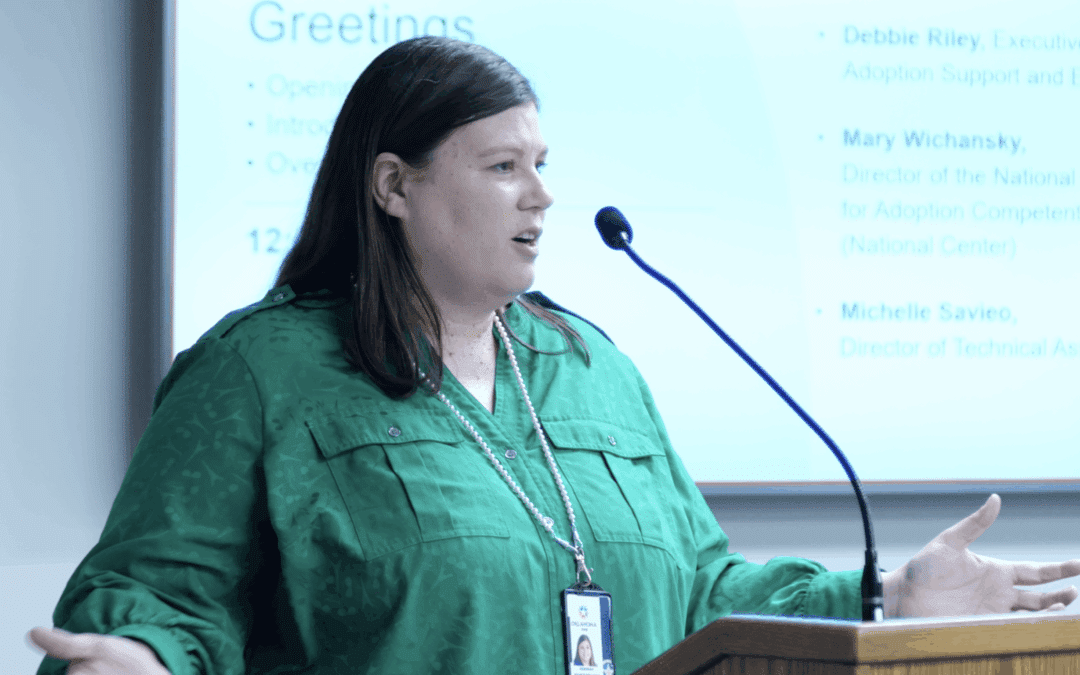
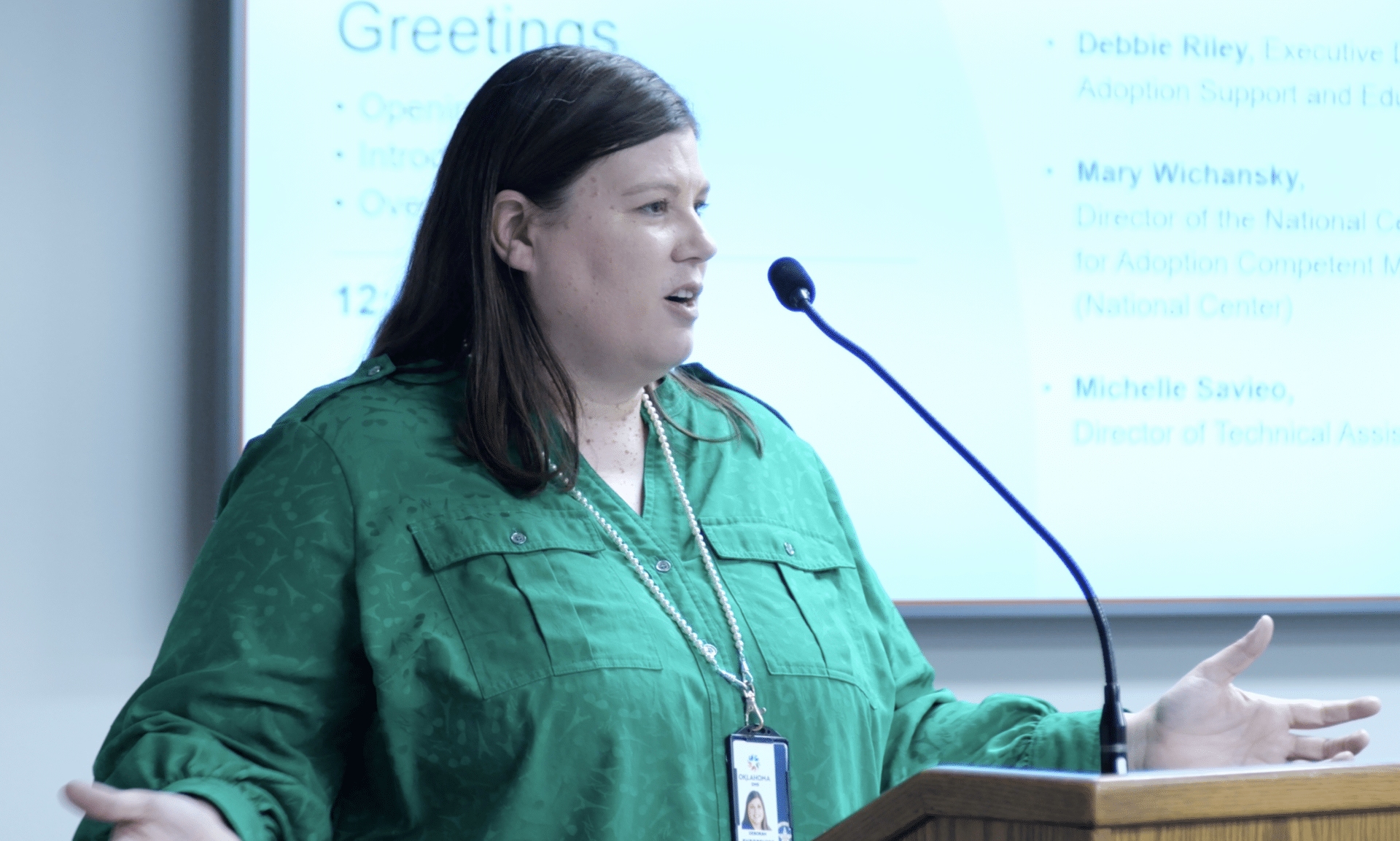
Dr. Deborah Shropshire, Former Director of Oklahoma Human Services, said “Particularly since the COVID-19 pandemic, our nation has seen an historic need for increased accessibility to mental health resources. For youth and families who have experienced the child welfare system, access to appropriate mental health providers who understand their unique experiences creates pathways to hope. We are proud to lead the way as the first of thirty sites who will engage in technical assistance over the next five years with The National Center for Adoption Competent Mental Health Services, thanks to the generous support from the Children’s Bureau, and are excited for the positive outcomes this work will bring for our children and families.”

David Johnson, a Program Administrator from Oklahoma Human Services, stated: “I was very encouraged by the attendance of such a wide range of partners who were present for this meeting. It really speaks to the importance of this work and the need for collaboration across our systems. I believe the information presented and the discussions between partners will initiate a more intentional collaboration process going forward.”

With help from the National Center, Oklahoma is poised to create a robust framework that other states can emulate, leading to more competent adoption mental health services nationwide.

Improving the Mental Health and Well-Being of Children and Youth in Foster Care 

Improving the Mental Health and Well-Being of Children and Youth in Foster Care 


Improving the Mental Health and Well-Being of Children and Youth in Foster Care  

Written by Erin Bader  

The Need for Specialized Mental Heath Resources

This month, the National Center team encourages you to take time to lea about the experiences of children and youth who are in foster care and the need to increase the accessibility of competent mental health services for them. May is both National Foster Care Month and Mental Health Awareness Month, so it is a prime time to examine this critical need. According to the FY2022 Adoption and Foster Care Analysis and Reporting System, there were over 368,500 children in foster care as of September 30, 2022. While individual experiences are unique, these children may experience separation and loss, placement and school changes, trauma, and disconnection from important relationships; all of which can negatively impact mental health.     The American Academy of Pediatrics (AAP) identifies mental and behavioral health as the largest unmet health need for children and teens in foster care. They emphasize that the trauma of removal from a familiar environment and placement in foster care is exacerbated by “the ongoing separation, losses, and uncertainty that are endemic to foster care.”    

The Repercussions of Childhood Trauma

President Biden also addressed the need for mental health services. In the National Foster Care Month Proclamation, he states that many youth “carry lasting physical and emotional scars from trauma they experienced at a young age, which can increase their risk of mental health issues or lead to substance use disorders.    

Facts and Stats

Experiencing child welfare and foster care can negatively impact the child’s present functioning, mental health, and well-being. Research tells us that children in foster care: 
    t
  • are 3–4 times more likely to be diagnosed with a mental health disorder (Greiner & Beal, 2017) 
  • t
  • experience higher rates of various mental health disorders, including attention deficit hyperactivity disorder (ADHD), depression, anxiety, oppositional defiant disorder (ODD), conduct disorder, post-traumatic stress disorder (PTSD), reactive attachment disorder, and behavioral problems, as compared with the general population (Greiner & Beal, 2017; Havlicek et al., 2013; Lohr & Jones, 2016; McMillen et al., 2005; Tarren-Sweeney, 2008) 
  • t
  • face disproportionate use of psychotropic medication for compared with children not in care
This is why the National Center for Adoption Competent Mental Health Services is focused on building collaboration between child welfare and mental health systems, increasing the accessibility of adoption competent mental health services, and enhancing workforce competence.