National Center Launches Intensive Technical Assistance in Illinois 

National Center Launches Intensive Technical Assistance in Illinois 


National Center Launches Intensive Technical Assistance in Illinois 
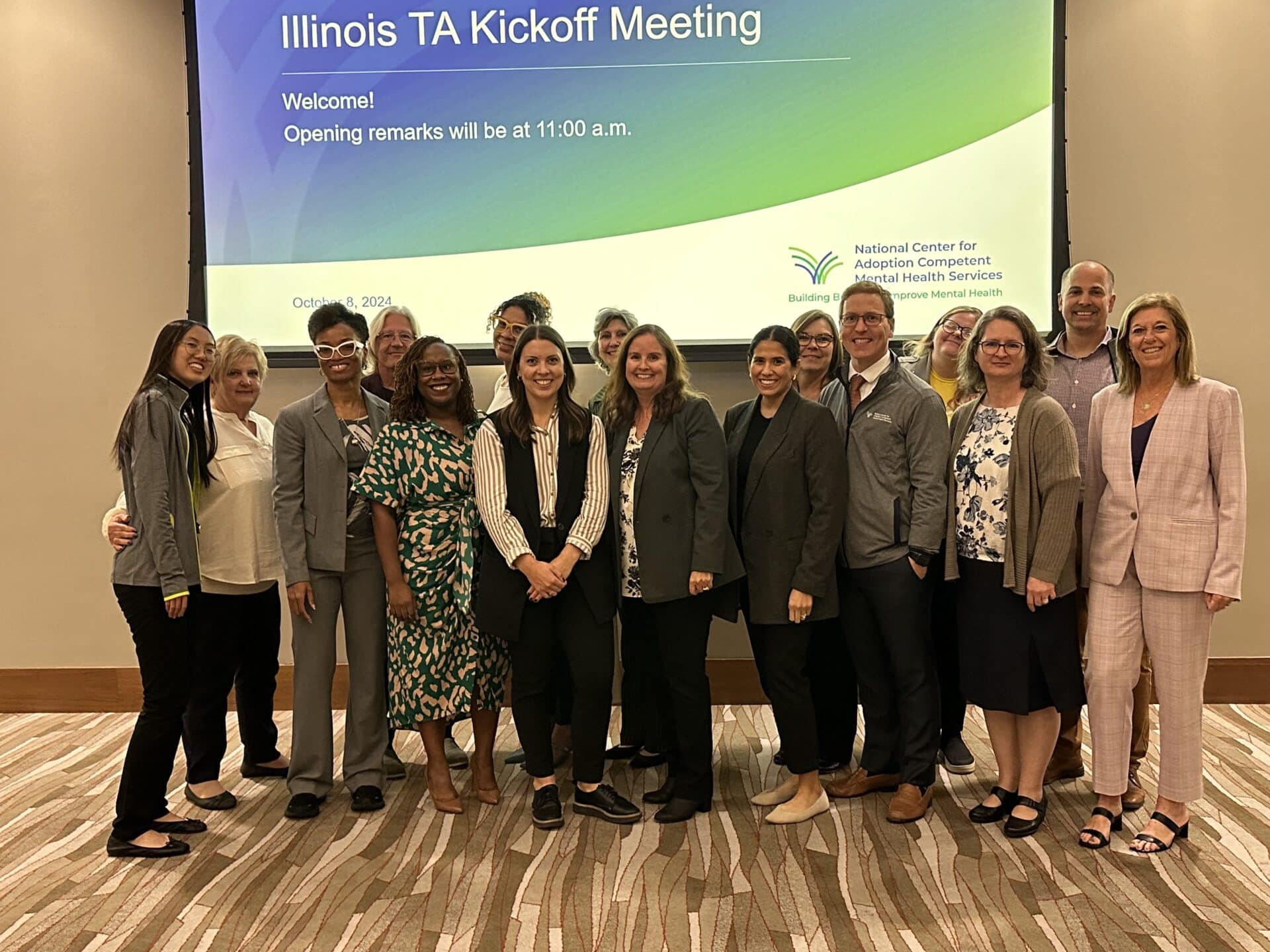
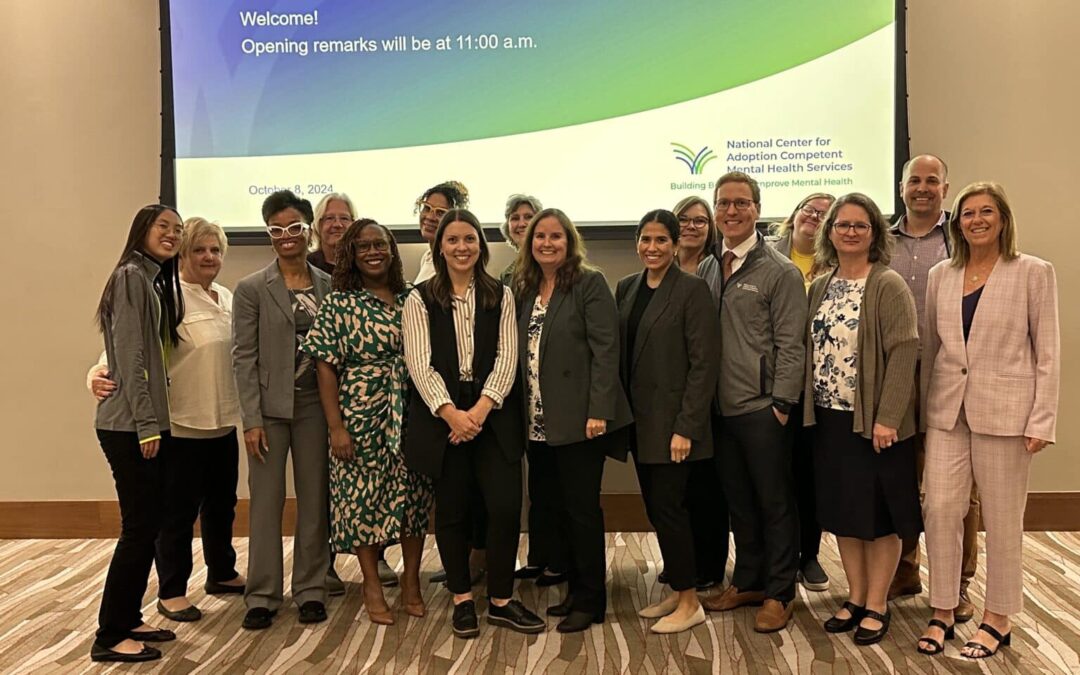
The National Center for Adoption Competent Mental Health Services is forging a path toward increasing access to adoption competent mental health care. The Center is excited to announce its partnership with Illinois, the second State to receive Intensive Technical Assistance services. The TA team held the official onsite kickoff meeting on October 8, 2024, in Champaign, Illinois. This initiative is led by Dana A. Weiner, Ph.D., Director, Children’s Behavioral Health Transformation Initiative and Senior Policy Fellow, Chapin Hall at the University of Chicago and Verletta Saxon, Ph.D., Deputy of Research & Child Well-Being in the Illinois Department of Children and Family Services.     Forty-seven people from 31 child-serving organizations in Illinois attended the kickoff meeting. The organizations included:    

  • Ada S McKinley Behavioral Health and Clinical Services   
  • Administrative Office of the Illinois Courts  
  • Aetna   
  • Blue Cross Blue Shield of Illinois   
  • Chapin Hall 
  • Children’s Advocacy Centers of Illinois   
  • Children’s Behavioral Health Transformation Initiative   
  • Community Behavioral Healthcare Association of Illinois,  
  • CountyCare Health Plan   
  • DCFS – Erikson Institute, Early Childhood Project   
  • DCFS – Family First Prevention Services   
  • DCFS – Office of Racial Equity Practice  
  • DCFS – Office of Research and Child Well-Being  
  • DCFS- Permanency Services   
  • DCFS – Regional Adoption/Guardianship   
  • DCFS – Rush Children’s Hospital  
  • DHFS – Children’s Behavioral Health   
  • DHFS – Illinois Medicaid State Agency 
  • DHS – Comprehensive Community Based Youth Services 
  • DHS – Division of Early Childhood  
  • DHS – Division of Mental Health  
  • DPH – Office of Women’s Health and Family Services   
  • Hoyleton Youth and Family Services  
  • Illinois Association of Medicaid Health Plans (IAMHP)   
  • Illinois Collaboration on Youth  
  • Illinois State Board of Education   
  • Lurie Children’s Center for Childhood Resilience  
  • Meridian Health   
  • Molina Healthcare of Illinois   
  • State of Illinois – Governor’s Office and Youth Care Health Plan  

The kickoff meeting allowed participants to begin collaborative work and engage in cross-system discussions to address the needs of youth with complex mental health concerns. Participants shared their excitement about this opportunity for cross-system collaboration and united on a common purpose of increasing the capacity and competency of the systems to serve children and families.     

Verletta Saxon, Ph.D., Deputy of Research and Child Well-Being at Illinois Department of Children and Family Services, said, “I’d like to thank the National Center for Adoption Competent Mental Health Services for creating this space to discuss and raise awareness about the trauma-related mental health needs of children before and after they touch child-serving systems. I’m honored to represent Director Mueller of Illinois DCFS as we collaborate with the Children’s Behavioral Health Transformation Initiative to improve mental health outcomes for Illinois’ children and youth. Together, we can ensure that every individual in Illinois takes the time to address these layers of trauma and prepare for the important work ahead.”   

As the work begins, the National Center will align with and enhance efforts that are already underway in Illinois through the Blueprint for Transformation: A Vision for Improved Behavioral Health Care for Children in Illinois.      

Does your State, Tribe, or territory need help in addressing the complex mental health needs of the children, youth, and families you serve? Through our team of organizations with expertise in child welfare, mental health, and lived experience of youth and their families, the National Center for Adoption Competent Mental Health Services can provide Intensive Technical Assistance designed to address these challenges and more.     

Bring TA to your community! We’d love to talk with you! Please contact Mary Wichansky, the Director of the National Center, orConnect with Uson our webpage. Together, we can create solutions to positively impact mental health outcomes for children, youth, and families.  

Stay Connected to Our Work in Action

Follow us for updates across states, tribes, and territories, plus conference highlights, training, resources, and insights on adoption competent mental health care

This Week in the News 10/28-11/1

This Week in the News 10/28-11/1


This Week in the News 10/28-11/1

Written by Erin Bader  

It’s been a busy week in the news for children’s mental health. These articles examine the ongoing mental health needs and various efforts to address them in some States.    

A Growing Crisis in Mental Health Care for Ohio Children   Across Ohio, children with complex behavioral needs are facing severe challenges as placement options dwindle and the demand for specialized care reaches record levels. Lindsay Sparks, from South Central Ohio Job and Family Services, explained that despite collaboration with mental health providers, many agencies lack the resources to manage extreme cases. She recounted the difficulty of placing a young child who had been denied placement 45 times statewide, forcing children to occasionally spend nights at agency facilities.  Additionally, escalating mental health issues among children are straining the system. Jody Walker, executive director of the agency, noted that severe behavioral cases have surged over the past decade, and the cost of suitable placements has increased by 300%.In response to these challenges, the County Commissioners Association has prioritized child welfare in the upcoming biennial budget. The association supports Gove or Mike DeWine’s commitment to children and emphasizes the critical role counties play in protecting them.   

County receives millions in state funds for foster youth with behavioral conditions  Stanislaus County, CA has approved an $8.5 million grant to create programs for foster youth with serious behavioral health conditions. The grant, funded by the Califo ia Department of Social Services, will support the Children’s Crisis Continuum Pilot Program and be administered by Stanislaus County’s Behavioral Health and Recovery Services on behalf of the Central Valley Consortium (CVC), which includes Stanislaus, Merced, and San Joaquin counties.  Since 2020, the CVC has worked to develop strategies for supporting foster youth with complex behavioral needs. Aspiranet, a community-based organization, has been instrumental in these efforts, previously securing over $33 million in state funds to expand services. The Hope Forward Campus in south Turlock will be upgraded to include new facilities for psychiatric, vocational, and recreational services.  Key unmet needs in the region include a lack of local crisis care, insufficient placement options, limited after-care coordination, and a shortage of trained resources for complex cases.    

For kids in mental health crisis, there’s now urgent care   This 11-minute interview introduces a new psychiatric urgent care clinic for kids and teens that has opened at the Seattle Children’s Hospital. The clinic will be the first of its kind in Washington. It’s intended for children who don’t need emergency services but do need same-day care.      ‘Numerous’ complaints of Kentucky foster youth sleeping in office buildings spark investigation  Kentucky is investigating the root causes of reports of foster children sleeping in office buildings without proper supervision. The Cabinet for Health and Family Services (CHFS) has acknowledged the challenges of placing high-needs youth—often older teenagers with severe behavioral or mental health issues—into suitable environments, despite efforts to increase funding for temporary care options.  Terry Brooks, executive director of Kentucky Youth Advocates, emphasized that addressing the issue requires significant investment and creativity. The state must provide more resources and higher compensation for those willing to care for high-needs children. He suggested potential solutions, such as incentivizing foster care placements and establishing triage centers as temporary, secure housing options. Brooks highlighted that the problem is widespread across Kentucky, not limited to Jefferson County, and underscored the need for legislative action and increased funding.   

$25M Grant To Bolster Mental Health, Wellness Resources At PGCPS   Prince George’s County Public Schools (PGCPS) is expanding its behavioral health services by partnering with multiple organizations to address gaps in student mental health care. These partners will complement the work of school counselors, psychologists, social workers, and clinicians with a focus on crisis intervention, wellness education, and professional care access. The organizations will each provide a service including virtual health support, mobile response teams, mental health education and social-emotional lea ing, mental health first aid training, and support groups.    

Experts discuss Oklahoma’s mental illness, substance abuse crises  Oklahoma is actively addressing the mental health crisis, including participating in the National Center’s Intensive Technical Assistance. At the “State of Mental Health” event hosted by the Healthy Minds Policy Initiative, mental health experts discussed strategies for addressing Oklahoma’s ongoing mental health and substance abuse challenges. Key solutions include expanding the mental health workforce, prioritizing youth mental health care, and making services more affordable and accessible. Oklahoma is taking proactive measures, such as funding the 988 mental health hotlines.   Oklahoma First Lady Sarah Stitt highlighted the cultural shift towards more open conversations about mental health, stressing the importance of prioritizing support and breaking cycles of struggle. The event underscored the widespread impact of mental health issues on everyday life, affecting teachers, law enforcement, and healthcare professionals alike, and called for continued, community-wide action.    

Adoption Competent Resources,
Right to Your Inbox

Join our email list and receive resources, learning opportunities, and up-to-date highlights of our work.

Oklahoma Hears from Lived Experience Leaders about Improving Mental & Behavioral Health

Oklahoma Hears from Lived Experience Leaders about Improving Mental & Behavioral Health

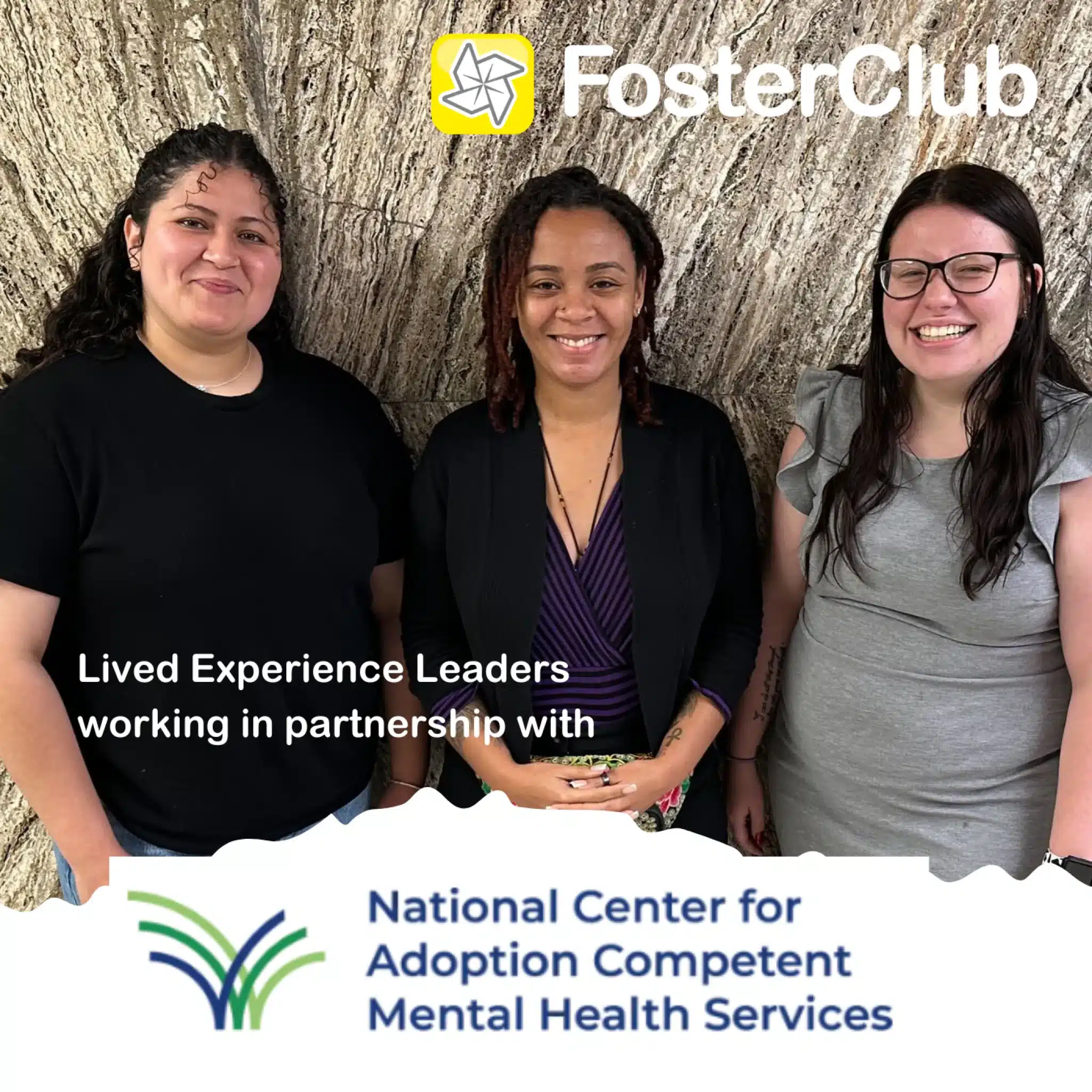
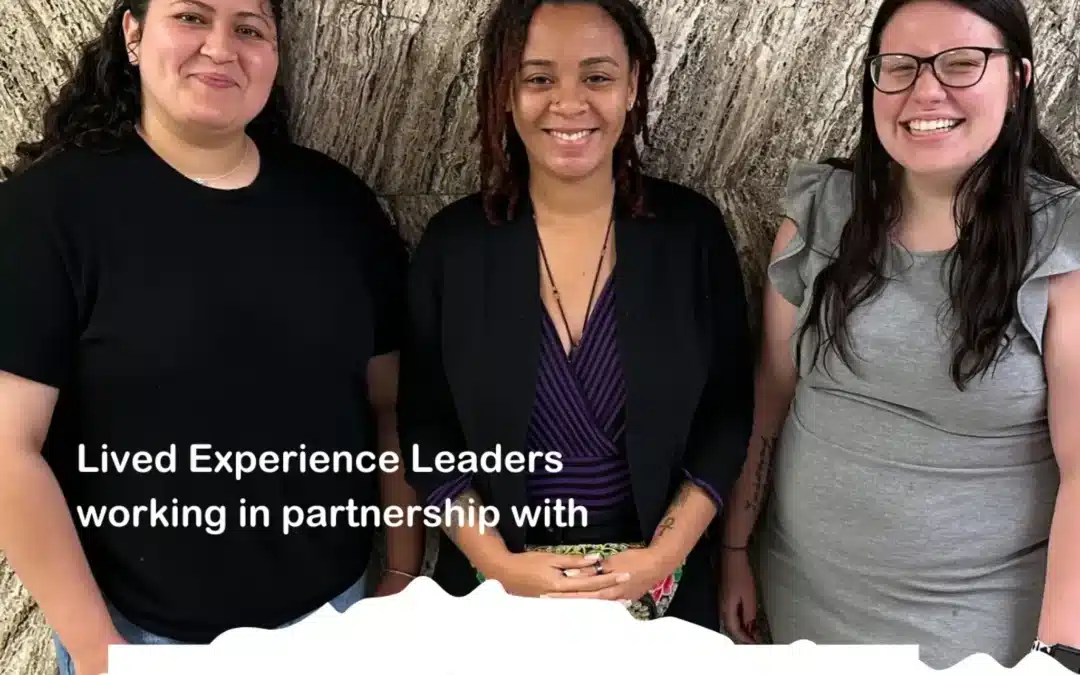
  On September 19, FosterClub Lived Experience Leaders Cinthia Garcia, age 22 (Indiana), Anaya Carter, age 24 (Texas), and Kenzie Drake, age 20 (Missouri), shown left to right, went to Oklahoma with The National Center for Adoption Competent Mental Health Services to talk about challenges and solutions for improving mental health and behavioral health for young people in foster care. Cinthia, Anaya, and Kenzie are members of the Lived Experience Advisory Board, a ten-member team of young people with lived experience in the child welfare system designed to advise the National Center and its partners in its work over a five year project. The National Center aims to improve mental health outcomes for children and families impacted by child welfare by providing technical assistance that bridges the gap between child welfare and mental health systems. The National Center prioritizes the need for specialized mental health services for children and families who have experienced the child welfare system. The Advisory Board is managed by FosterClub, the national network for young people in foster care, a partner of the National Center. Oklahoma is the first site of the National Center. The meeting brought together mental health and behavioral health practitioners with child welfare leaders to discuss challenges and solutions in serving children, youth, and their families.

Get to know the three LEx Leaders who participated:

Cinthia Garcia (She/Her), age 22 Spent 5 years in Indiana foster care Cinthia Garcia, originally from Mexico, entered the foster care system at 16 and aged out at 21. Overcoming challenges like language barriers and financial instability, she is now pursuing a degree in Spanish. Cinthia has been recognized for her advocacy work, including being named Outstanding Youth Advocate in 2024.  Cinthia is passionate about continuing her education, with long-term goals of ea ing a Master’s in Social Work.

Anaya Carter (She/Her), age 24 Spent 3 years in Texas foster care Anaya Carter, from Texas, is a spiritual healer and advocate with three years of foster care experience. After aging out at 18, she found healing through the Texas Network of Youth Services, where she serves on the Young Adult Leadership Council. Anaya is passionate about helping others heal from trauma and is proud of her personal and spiritual growth. She works in childcare and supports her brother’s child development franchise. Anaya is excited to continue her advocacy work with FosterClub, aiming to be a leader and voice for youth across the nation.

Kenzie Drake (She/Her), age 20 Experience in Missouri foster care Kenzie is currently in college pursuing her passion of nursing and anticipates graduating in 2026. When she’s not studying, Kenzie loves to walk and hang out with friends. One thing she is extremely proud of is graduating high school with a 3.9 GPA. Currently, Kenzie could work at a hospital as a Nursing assistant. She wanted to be a part of FosterClub to use her lived experience to support youth who are enduring a broken system.


Understanding Native American Mental Health Needs: A Journey of Healing  

Understanding Native American Mental Health Needs: A Journey of Healing  


Understanding Native American Mental Health Needs: A Journey of Healing and Identity 

Mental health is a vital aspect of our overall well-being. It particularly needs attention in Tribal communities. Many young Native American people face unique challenges that can lead to feelings of isolation and confusion. Addressing these mental health needs is essential for their emotional and cultural health. 

Waverlee’s Story 

Waverlee Shoulderblade, a 22-year-old Lived Experience Leader from Lame Deer, Montana, on the Northern Cheyenne Reservation, offers a powerful perspective on the struggles faced by Native American youth. They shared, “As a freshman in high school, I didn’t have the emotional support I needed during those tough times.” This lack of support is common among young people trying to navigate adolescence and its challenges. 

The Challenge of Trust 

Opening up about mental health can be daunting, especially when fear of judgment or repercussions is involved. Waverlee reflected, “I felt like if I reached out, my caregivers would be informed, which made me afraid.” This fear can prevent young people from seeking help, resulting in loneliness and despair. It’s crucial to create safe spaces where they can express themselves freely. 

The Importance of Community 

Having someone to talk to who understands can significantly impact a young person’s mental health. Waverlee emphasized, “It’s not always about therapy; sometimes, it’s just having someone who gets it and can guide you through.” Supportive figures within the community are essential for helping youth navigate their struggles. 

Connection to Culture 

One’s culture plays a critical role in mental health. Waverlee noted, “Even at a young age, I knew I was Native American and my tribe, but I didn’t know much about our ceremonies.” Connecting with one’s culture fosters a sense of belonging and purpose, both of which are vital for emotional health. Waverlee wished they had more opportunities to engage with their culture, saying, “I would have loved to participate in the things I see my peers doing now.” This highlights the importance of providing young people with opportunities to connect with their heritage in supportive environments. 

Bridging the Gap 

Unfortunately, challenges in their life often hinder youth from accessing mental health resources. Waverlee pointed out, “Not a lot of people try to find immediate family.” This reflects the challenges faced by youth in foster care or unstable living situations. While communities strive to support one another, more resources are needed to ensure every young person feels supported. 

Moving Forward 

So, how can we better support Native youth? Here are some actionable steps: 

  1. Create Safe Spaces: Establish environments where youth can share their feelings without fear of judgment. Community centers, schools, and online platforms can serve as supportive spaces. 
  2. Increase Access to Cultural Resources: Provide opportunities for youth to lea about their culture through workshops, ceremonies, and mentorship programs. 
  3. Promote Mental Health Awareness: Encourage open discussions about mental health in schools and communities to reduce stigma. Normalizing these conversations can lead to greater understanding and support. 
  4. Train Supportive Adults: Equip teachers, counselors, and community leaders with the knowledge to effectively support Native youth. They can become invaluable support in this jou ey. 
  5. Involve Families: Engage families in discussions about mental health and culture to foster understanding and support. Everyone plays a role in this important process. 

By listening to the voices of Native youth and understanding their unique challenges, we can help create a future where they feel seen, heard, and supported. Together, we can ensure that every young person has the resources they need to thrive.    

Permanence Versus Placement: What it Means and Why it Matters to Young People

Permanence Versus Placement: What it Means and Why it Matters to Young People


Permanence Versus Placement: What it Means and Why it Matters to Young People

For youth in foster care, the terms “permanence” and “placement” carry profound significance. While they might seem similar, they represent very different experiences and outcomes. Understanding the distinction between the two is crucial for appreciating the unique challenges and hopes of foster youth. 

In the foster care system, placement refers to the act of assigning a youth to a foster home, group home, or other temporary living arrangement. Placements can change frequently, sometimes with little notice, leading to instability and uncertainty for the youth involved. Each new placement requires adjusting to new environments, caregivers, and expectations, which can be incredibly stressful and disruptive.

“I’ve never been inside of like adoptive or foster home [placements]. All of my placements were placements, like, I went from detention centers to group homes to [mental health] treatment facilities. . . independent livings. I’ve never been, like, placed inside of a home.”

– Trinity Mathews, age 23, 8 years in New York’s foster care system 

Permanence, on the other hand, goes beyond the physical act of placing a youth in a home. It can embody a sense of stability, belonging, and long-term commitment. Permanency means something uniquely different for each and every young person in foster care. For many foster youth, however, achieving permanence could look like finding a place where they feel safe, valued, and loved—a place they can call home, not just temporarily, but for life.

“From a personal perspective, I find that permanency is not materialistic, but rather purely emotional. For myself, I believe that permanency is feeling welcome and restored.”

– Evelin Ramirez, age 25, 3 years in Montana foster care system

Frequent placements can take a significant emotional toll on foster youth. The constant upheaval can exacerbate feelings of insecurity and mistrust. Youth often report that each move feels like a reminder of their lack of control over their own lives, reinforcing feelings of rejection and abandonment.

“As a child I always knew my life was different and I would just question all the time, like, I would see parents together with their children and I would always wonder why my family doesn’t look like this. Like, why can’t I have this? What did I do wrong?”

-Lily Ford, age 19, 4 years in Rhode Island foster care system

When foster youth talk about permanence, they speak of the longing for a stable, supportive environment where they can build lasting relationships. Permanence is about more than just a roof over their heads; it’s about having consistent, reliable people in their lives and a place where they can form an identity and plan for the future.

“For a long time I felt like a mistake and unworthy of love. I could feel that [my foster parents] wanted to give me more love than I was ready for, but living with them was the first time I felt needed and wanted. I felt valued as an individual. They let me talk to them when I needed them. They hugged me when I wanted it. They made me feel safe and heard. I have never met two people so dedicated to love. They adopted me after two and a half years together.”

– Shelli Guyer, age 24, 2 years in Idaho foster care system

Despite the clear benefits of permanence, many foster youth face significant barriers in achieving it. These can include systemic issues within the foster care system, a lack of suitable permanent homes, and the youth’s own unresolved trauma and grief. Addressing these challenges requires a concerted effort from all stakeholders involved in the foster care system.

Support systems, including mental health services, educational support, and peer support and mentorship programs, play a critical role in helping foster youth transition from placement to permanence. These resources can provide the stability and guidance needed to navigate the complexities of the foster care system and build a foundation for a successful future. Something which can’t be forgotten here, however, is the role of the young person in having access to determining what permanency looks like for them.

“Youth should be informed on all options that are available. Look to the youth as resources to build their own permanency. The court’s role is to provide tools for the young person to be successful in securing permanency.”

– David Hall, age 28, Experience in the Oklahoma foster care system

The distinction between placement and permanence is not just semantic—it reflects the lived experiences of foster youth and their quest for stability and belonging. By prioritizing permanence and understanding its significance and including young people at the table of permanency discussions, we can better support foster youth in their journey toward finding a true home.

Looking for Additional Resources?

Visit the Knowledge Hub to access models of intervention, training resources, and practical tools to strengthen cross-system collaboration and improve outcomes for children, youth, and families.