
Building Trust After Trauma: Supporting Children in Adoptive and Foster Families
Placement, no matter how well-intended, is a significant transition. Children and youth who have been impacted by child welfare often experience early trauma, loss, disrupted attachments, and grief, which causes adaptive survival responses that can be mistaken for challenging behaviors. Because these children have adverse childhood experiences, such as exposure to neglect, substance use, violence, and placement instability, they are more likely to encounter mental health challenges. These challenges shape how they view the world, interact with caregivers, and assess safety.
When a child is subject to an unsafe or unstable environment, they develop survival strategies that help them cope, but those strategies can cause conflict within a family. Common behaviors include:
-
Emotional withdrawal (as evident by pushing people away, specifically caregivers)
-
Social relationship deficits
-
Emotional dysregulation
-
Poor inhibitory control
-
Increased psychological reactivity
Rather than viewing these behaviors as destructive or defiant, parents and caregivers should respond with empathy, a focus on strengthening attachment, and recognize that trust-building is an ongoing process. Behavior often reflects fear, not defiance. By lea ing practical ways to respond to a child’s unmet needs as reflected through behavior, parents and caregivers can create a safe, stable environment that increases permanency and strengthens familial relationships over time.
Safe Space: The First Step to Building Trust
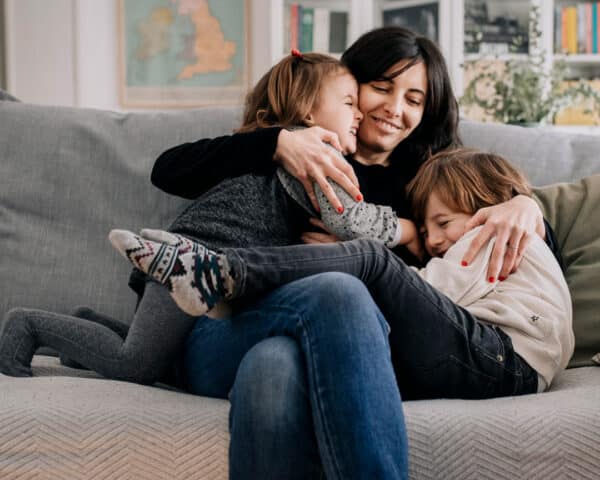
Parents and caregivers of children affected by child welfare can begin building trust by understanding the importance of safety. Safety extends beyond physical care to emotional security. Safety is fostered by sensitivity, consistency, and emotional presence. Some ways that caregivers can support children in feeling safe include:
-
Respond with Empathy: Showing love, empathy, and support while allowing children to identify and express their feelings
-
Create Predictability: Maintaining consistency in routines, boundaries, and expectations so a child doesn’t have to guess what happens next
-
Model Positive Behaviors: Modeling patience, resilience, emotional regulation, consistency, and accountability
-
Address Physical Safety: Assuring children that they are physically safe can help them develop feelings of trust and openness to psychological and emotional well-being
Connection, Not Control
Caregivers must prioritize relationship-building over compliance. Although structure is an integral part of a child’s development, children who have experienced complex trauma benefit more when they experience a connection that makes them feel seen, valued, and supported. There are several ways for caregivers to foster connections. They include:
- Family Fun: Engaging in family activities and meaningful interactions without pressure
-
You Belong: Implementing parts of the child’s life into everyday family life to make them feel included
-
Get to Know Me: Expressing genuine interest in a child’s life, preferences, and experiences
-
I’m Here for You: Showing empathy and curiosity about their behavior, rather than just condemning it or rushing to implement consequences
-
I Understand: Identifying and validating a child’s emotions without judgment
When caregivers focus on relationships rather than control, children internalize an essential message: my caregiver is safe, even when I face challenges.
Securing Attachment
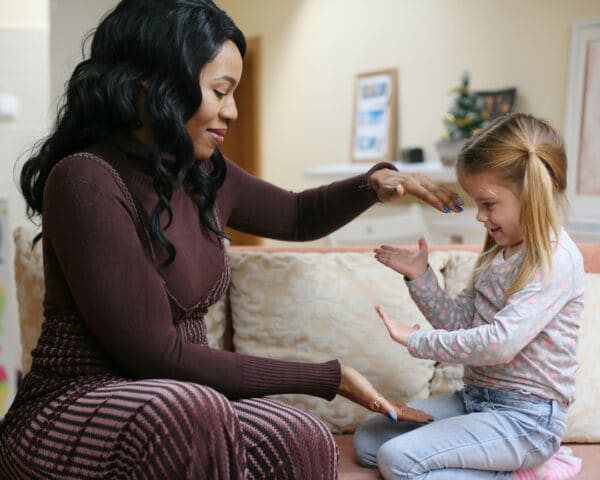
Secure attachment develops when a child recognizes a caregiver as consistent, reliable, and emotionally available. Securing attachment after experiencing trauma takes time and work on the part of both the child and the caregiver. Still, it provides a sense of safety that children who have been impacted by child welfare may not have ever experienced in their short lifetime. Caregivers can support secure attachment by:
-
Responding to emotional needs, even when those emotions may feel overwhelming or repetitive
-
Foster an environment that allows children to depend on adults, rather than pushing for them to be independent
-
Working with an adoption competent therapist who can assist in implementing interventions and strategies that can foster parent-child attachment
Securing attachment takes time and patience, as many children may not be receptive at first. Some children may initially resist attachment behaviors, such as seeking comfort or asking for help. Others may appear overly clingy or anxious. Both responses are normal and reflect a child’s past experiences, not their future potential. Regardless of how children respond, caregivers must be present during their most difficult moments.
How Can Adoption Competence Help?
Parenting children impacted by trauma is complex, but caregivers do not have to do it alone. Adoption competent mental health providers understand how early adversity, attachment disruptions, and loss affect children and families. Seeking support early can make a significant difference, not because something is wrong, but because healing occurs best in safe and supportive relationships.
The National Center offers an array of resources, training, and support to help children and families affected by child welfare heal, thrive, and achieve permanence. The National Center trains mental health providers who can support caregivers in understanding trauma-driven behaviors, provide interventions that focus on strengthening relationships rather than just reducing symptoms, and help families navigate challenges without shame or blame.
Hope and Healing
Building trust after trauma is a gradual process. Progress might seem slow, uneven, or difficult to measure. There may be setbacks, regressions, and moments of doubt. But every calm response, every repaired moment, and every consistent act of care matters. Children heal through relationships, and caregivers play a vital role in helping them understand that adults can be safe, reliable, and loving. Trust is built one interaction at a time, and over time, these moments add up to something enduring. By approaching parenting with patience, empathy, and trauma-aware understanding, families affected by child welfare foster the conditions for healing, connection, and stability.

Looking for Additional Resources?
Visit the Knowledge Hub to access models of intervention, training resources, and practical tools to strengthen cross-system collaboration and improve outcomes for children, youth, and families.